Simple answer: The one that inspires you the most! Time, fitness or money shouldn’t be a barrier to a once in a lifetime experience. We always seem to make time for the things that are important to us and an Epic tour, even if it’s a month-long, is no different. Begin with the adventure that speaks to you the loudest and then contact us about how to make it happen.
Long answer: While all our Epics are just that, epic in nature, they do differ.
Duration: Our Epics vary from a bit over 2 weeks to over a month. Like the look of an Epic, but can’t find the time to ride the whole tour? Each Epic is broken down into at least 2 stages so you can pick out a Mini-Epic that’s right for you. Perhaps even returning to complete the full Tour at a later time.
Difficulty and Length: Ride 1200km/745 miles (shorter single stage options) and remain within one country or ride over 3500km/2200miles by riding across Europe. We classify the difficulty of each tour (and stage if different from the overall tour) on distance, terrain and time in the saddle. The symbol we use for our grading system is the espresso cup. Our easiest tours are denoted by a single cup and our hardest by four cups. Click here to discover what cup rider you are or will train to become.
Where and When: We run our tours through 30 countries, on 5 continents and in both hemispheres. We aim to run each Epic in the Goldilocks period for that part of the world; not too hot and not too cold. There is only a couple of months in the year where we don’t run any scheduled tours so if your escaping the cold or searching out a coastal breeze we will likely have a tour running for you.
History and Culture: Our Epics are more than just a bike tour. They are historical journeys that connect the present with the past, whether it’s a famous figure like Hannibal and his army of Elephants, a period like the division of Europe with the Iron Curtain or a class of people like the Samurai. Each Epic is an immersion into where we travel. The hotels in which we stay, the characters we meet, the food we eat, the wine we drink and the history we see are all chosen to give you a true sense of place.
Conquest of the Moors Epic: Panorama of the famous Alhambra palace in Granada, Andalusia, Spain.
To view, all our Epics explore the website or check out our Digital Catalogue which you can download and view offline click here.
Found the right tour, but want to make changes? Contact us for custom tours and departures.
We have endeavoured to make our tour offerings among the most inclusive in the bike tourism industry so you are not faced with extra expenses once you join us on tour.
Standard Inclusions
Bed and Breakfast accommodation
Picnic lunches – except for rest days
All evening meals – except for rest days
Ride and Seek Jersey or T-shirt
mid-week laundry service
Post-ride recovery snack table
Protein and Energy bars
Since most things are included, perhaps an easier way to answer this question is to look at what is not included. What is not included – Airfares, Airport Transfers, Travel Insurance, and Alcoholic beverages.
We do not include bike hire in the price either, as many of you prefer to bring your own. If you wish to rent, our fleet has a range of high-end bikes. You can see the details here Bike fleet
Accommodations
We have carefully selected the places we stay in based on their ‘personality’ and the hospitality of the hosts. Be it Paradors in Spain, a Chateau in France, or Agriturismi in Italy, we seek to connect you with the places we travel in, through the accommodations we choose.
Our dinner venue in the city of Melbourne at the end of the second stage of our Strzelecki Australian Epic Tour
Meals
We immerse you in the culture of the areas that we visit and this is very much reflected by the menus that we present on tour. Whether it be an end-of-stage gala meal in a Michelin-starred restaurant or a buffet smorgasbord we seek to provide a sense of place through the food and wine we choose for you. We always try to dine as early as is culturally possible and work with the restaurants we use to keep the service brisk.
We are very adept at accommodating dietary needs and work closely with the restaurants we choose to ensure they adhere to your requests.
Our guide team is well established with many having been with us since we started out, Their expertise, sense of fun, and attention to detail is second to none.
Expert Support
Long before the tour begins our Trip Specialists and operations teams are busy planning the logistics of all aspects of your tour. The routes are meticulously scouted by the guide teams and our tour materials are the best in the business. We then weave the layers of historical and cultural context to immerse you in the places you travel through.
On tour the guides will support you with navigation, safety, mechanics, language skills, charm and local knowledge. Allowing you to simply turn the pedals at your own pace and soak up the ambience of your surroundings.
The tour flow is tried and tested and is geared to let you focus on turning the pedals whilst we sweat the details for you
Tour Structure
Our Epic tours follow a standard format. Your first day will include a warm-up ride, whether you’re starting at the beginning of an Epic tour, or joining us for a single stage. You’ll lunch with the guides who will give you a rundown of the tour ahead. You’ll then have a short ride to ensure your bike has traveled well, or if you are riding a hire bike, it fits you and is comfortable.
The next morning the cycling begins! The format for each ride day is similar, times are approximate.
7:30 am Breakfast 8:30 am Morning brief 9:00 am Ride out 11:00 am Coffee and snack break 13:00 Picnic or restaurant lunch on route 15:00-16:00 Arrive at next hotel 16:00-19:00 Free time to explore or rest 19:00 Pre-dinner drink and brief 19:30 Dinner
Rest days allow riders to explore the town we are staying in and get the essentials, such as the week’s laundry, done. For this reason, we try to stay in interesting towns which have all the practical facilities available. This doesn’t mean you aren’t free to take your bike out for a spin or that you cannot take a rest on any other day.
Hey there, Ride and Seeker! Let’s chat about packing for your upcoming journey with us.
Our Epic Adventures are seriously amazing trips, but they do involve some tricky logistics – especially when it comes to luggage and bike gear. We’re not trying to be the packing police, but after years of running these tours, we’ve figured out what works best for everyone.
Space in our vehicles is pretty limited, and we’ve gotta think about our awesome guides who’ll be loading and unloading your stuff throughout the trip (their backs will thank you!).
We typically run our tours with two vans, but given that the vans serve as our bike workshop, baggage courier, sag wagon, lunch restaurant and taxi service, among an array of other functions, space is of a premium.
We want to keep things flexible and fun, but a few guidelines help make the adventure smoother for the whole group. Check out the details below so you know exactly what to bring along for the ride!
Your Main Luggage
Bring just one suitcase or duffel per person, please! We ask everyone to keep it under 23kg (about 50lbs) – think airline checked bag rules.
Your guides will appreciate your cooperation more than you know when they’re playing luggage Jenga every morning. Thanks for helping us keep things running smoothly!
Day Bag
The day bag is on us. All guests will receive a branded drawstring bag designed to comfortably fit everything you might need during the ride day and will be stored in the back of the ride support van. If you have received one of our Scicon rain bags previously you are welcome to bring this along as your day bag.
So, in conclusion, one main piece of luggage will suffice, and we provide the day bag.
Foldable Bike Cases
We can only accommodate foldable bike cases on our tours. Those rigid hard cases might offer great protection, but they’re absolute space hogs in our vehicles, and honestly, shipping them ahead has become a logistical nightmare these days.
The good news? There are some seriously impressive foldable bike cases on the market now! Brands like Evoc and Scicon make soft cases that offer excellent protection during travel, but then collapse down to a fraction of their size once your bike is built up. These genius designs give your bike the safe journey it deserves without commandeering half our van space for the entire tour.
Some of our favourites include:
>The Evoc Bike Travel Bag Pro (collapses to about 1/3 its original size)
>Scicon AeroComfort 3.0 (folds into itself when empty)
>Pika Packworks EEP (folds flat for easy storage)
If you have questions about specific bike case models or need advice on the best option for your ride, just give us a shout before your trip!
The ‘Classic’
And don’t overlook the classic cardboard bike box, folks! These old-school champions are still a fantastic option if you know how to pack your bike properly. The humble cardboard box has been protecting bikes in transit for decades, and for good reason – they’re lightweight, surprisingly sturdy, and get the job done without fancy features or hefty price tags. Plus, they score major points in the sustainability department!
Here’s why we love them:
> We’ll fold down your cardboard box at the start of the tour and safely store it
> At the end of your adventure, we’ll help reassemble it for your journey home
> Your environmental credentials stay firmly on point with this recyclable option
Many local bike shops are happy to give you a box for free (or at minimal cost) when they receive new bikes. Just make sure to grab one a few days before your trip so you have time to pack properly, or better yet, ask your local bike shop to pack the bike for you. Our guides will then be at hand to help reassemble the bike at the other end and pack it up at the end of the tour.
🇯🇵 Bike Bags in Japan
On our tours in Japan, we store bike bags and boxes at the airport hotel during the tour. So we have fewer sizing restrictions, as they do not need to fit in the vans.
It’s worth noting that travelling on trains with your bike box is very difficult. If you are travelling through Japan before or after your tour, you can arrange to store your bike box at airport storage or at the hotel if you have a booking either side of your travel.
This is one of the most commonly asked questions we hear from prospective riders?
Riding on Korcula Island on Marco Polo
The answer is a categorical no! We pride ourselves on enabling you to ride at your own pace. Our van and bike guide support is structured to this end and with meticulously researched routes uploaded onto GPS units, we are very adept at managing a broad rider spread.
Picnic lunch at Lake Trasimene on Hannibal
We find that with designated coffee and lunch spots throughout the day the spread will ebb and flow but we are well versed in riders coming in at different times and actively encourage that to be the case. Whatever your ride style and ability we will facilitate you riding the tour at a pace that suits you.
Checking the Espresso Gradings
If you do like riding in a group you’ll typically find other riders in the group that roll at a pace that you feel comfortable with. That often becomes your own mini peloton during the course of the tour. One of the undoubted joys of these group tours is the opportunity to meet and ride with others but that choice is yours to make.
The Road Less Travelled through the Dolomites on Caesar
Another element of being able to ride at your own pace is that you don’t have to wait for your fellow riders. You are free to go as fast as you see fit and there is no requirement to stop at the top of cols for the backmarkers which some companies insist on. Grab that ‘col’ photo and then keep rolling.
Looking back towards France at the top of Col Agnel (2744m) on Hannibal 2013
Our tours are imbued with a sense of discovery and as such we actively encourage you to ‘smell the flowers’ along the way. Whether that means you are an avid photographer, a gourmet who wishes to take your time over one of our picnic lunches, or a coffee connoisseur the choice is yours as to how to negotiate the A to B of any given day.
One of the first things cyclists notice in Japan is how considered everything feels. From the perfectly positioned roadside mirrors that let you see around tight corners to the smooth, well-marked roads that wind through mountains and villages, Japan’s infrastructure seems purpose-built for safe, enjoyable riding. Every detail — from the clear signage to the thoughtful placement of rest stops and vending machines— reflects the country’s deep respect for order and consideration for others.
Cycling is also genuinely respected here, both as a form of recreation and as a serious sport. Whether you’re pedalling through a small town or cresting a mountain pass, locals often wave, smile, or even cheer you on. There’s a sense of shared appreciation for the effort and the journey — a cultural warmth that makes every encounter memorable.
And while many people picture Japan as a land of neon lights and bustling cities, the reality for cyclists is quite the opposite. Once you leave the urban centres, you’ll find yourself in vast, remote landscapes — quiet mountain valleys, untouched coastal roads, and rural villages where time seems to slow down. It’s in these places that Japan reveals its quieter, more contemplative side — the Japan of forest shrines, rice terraces, and winding roads that seem to lead straight into the clouds.
The Spirit of the Samurai on Two Wheels
Our Samurai Collection tours through Japan are designed to immerse riders in the country’s history, culture, and natural beauty. These journeys trace the paths of Japan’s legendary warriors — from the ancient castles and temples of Kyoto to the volcanic landscapes of Kyushu — blending epic cycling with deep cultural discovery.
Each route has been carefully crafted to reflect the essence of the samurai spirit: discipline, respect, and harmony with nature. You’ll ride through serene cedar forests, past mirror-like rice paddies, and along coastal roads where the sea breeze carries whispers of centuries past. Japan’s landscapes and traditions are deeply shaped by the legacy of the samurai — warriors who valued discipline, honour, and harmony with nature. Their influence can still be felt today, from the quiet dignity of rural villages to the meticulous craftsmanship that defines Japanese culture. Riding through these regions, you trace the paths once travelled by samurai, where every temple, castle, and mountain pass tells a story of courage and devotion.
The photo above captures the remarkable Shimanami Kaido, a highlight featured on both our Shikoku and Kyushu itineraries. This extraordinary route stretches for around 70 kilometres, linking Japan’s main island of Honshu with Shikoku via a chain of six smaller islands, each connected by spectacular suspension bridges that soar above the Seto Inland Sea. It’s a ride that perfectly encapsulates Japan’s blend of natural beauty and engineering brilliance — with panoramic sea views, quiet coastal roads, and charming island communities that welcome cyclists with open arms. Along the way, you can stop for fresh seafood, visit local art installations, or simply pause to take in the sweeping vistas from one of the many viewpoints. The Shimanami Kaido isn’t just a route — it’s a celebration of Japan’s coastal culture and one of the most unforgettable cycling experiences in the world.
A Culinary Journey as Rich as the Ride
The food in Japan is every bit as memorable as the cycling. Multi-course kaiseki dinners are works of art — seasonal, delicate, and deeply connected to the local landscape. Our Japanese guides are masters at explaining each dish, turning every meal into an experience that nourishes both body and soul.
And it’s not just fine dining — even the simplest roadside stop can surprise you. A steaming bowl of ramen after a long climb, fresh sushi at a seaside market, or a convenience store onigiri (rice ball) eaten beside a mountain stream — every bite feels earned, and every flavour tells a story.
Lunchtime in Japan is an adventure in itself. Whether you’re ducking into a bustling noodle bar for a steaming bowl of udon or ramen, or sampling regional specialties at a local diner, every stop offers a taste of Japan’s rich culinary landscape. Our guides are always on hand to help you navigate the menus and introduce you to local favourites — from hearty rice bowls to delicate tempura. And then there are the convenience stores — true wonders to behold. With their fresh sushi rolls, perfectly brewed coffee, and shelves of neatly packaged snacks, they turn even a quick roadside stop into a delight.
Everything Just Works
Getting to and from our ride start points is part of the adventure, and in Japan, that often means boarding the legendary Shinkansen — the bullet train. Sleek, silent, and always on time, it’s a marvel of precision engineering and a symbol of Japan’s commitment to punctuality. From the moment you arrive, there’s a reassuring sense that everything simply works as it should. Trains depart to the minute, luggage arrives exactly where it’s meant to, and transitions from one stage of the journey to the next are seamless. It all adds to the calm confidence that defines traveling — and cycling — in Japan.
Everything about Japan on two wheels also just works. Vending machines appear like friendly companions even in the most remote mountain passes, offering cold drinks and snacks when you need them most. Locals greet you with warm smiles and genuine curiosity, often cheering you on as you pass through their towns.
There’s a sense of quiet wonder in the way Japan blends modern efficiency with timeless tradition. One moment you’re riding past sleek bullet trains; the next, you’re pedalling through a centuries-old village where time seems to stand still.
Highlights of the Ride and Seek Samurai Collection
Our Samurai Collection represents the most expansive and diverse cycling program in Japan — a journey that captures the country’s full geographic and cultural spectrum. Each stage offers its own distinctive rhythm and reward:
The Shikoku Pilgrimage: Follow the ancient 88-temple route, cycling through tranquil countryside, sacred shrines, and coastal villages that embody Japan’s spiritual heart.
Ride Across Japan: Traverse the country from coast to coast, connecting its iconic regions and discovering the contrasts between bustling cities and peaceful rural landscapes.
Mt. Fuji and the Five Lakes: Experience Japan’s most famous peak up close — climbing and circling the slopes of Mt. Fuji while taking in breathtaking views and pristine lakeside roads.
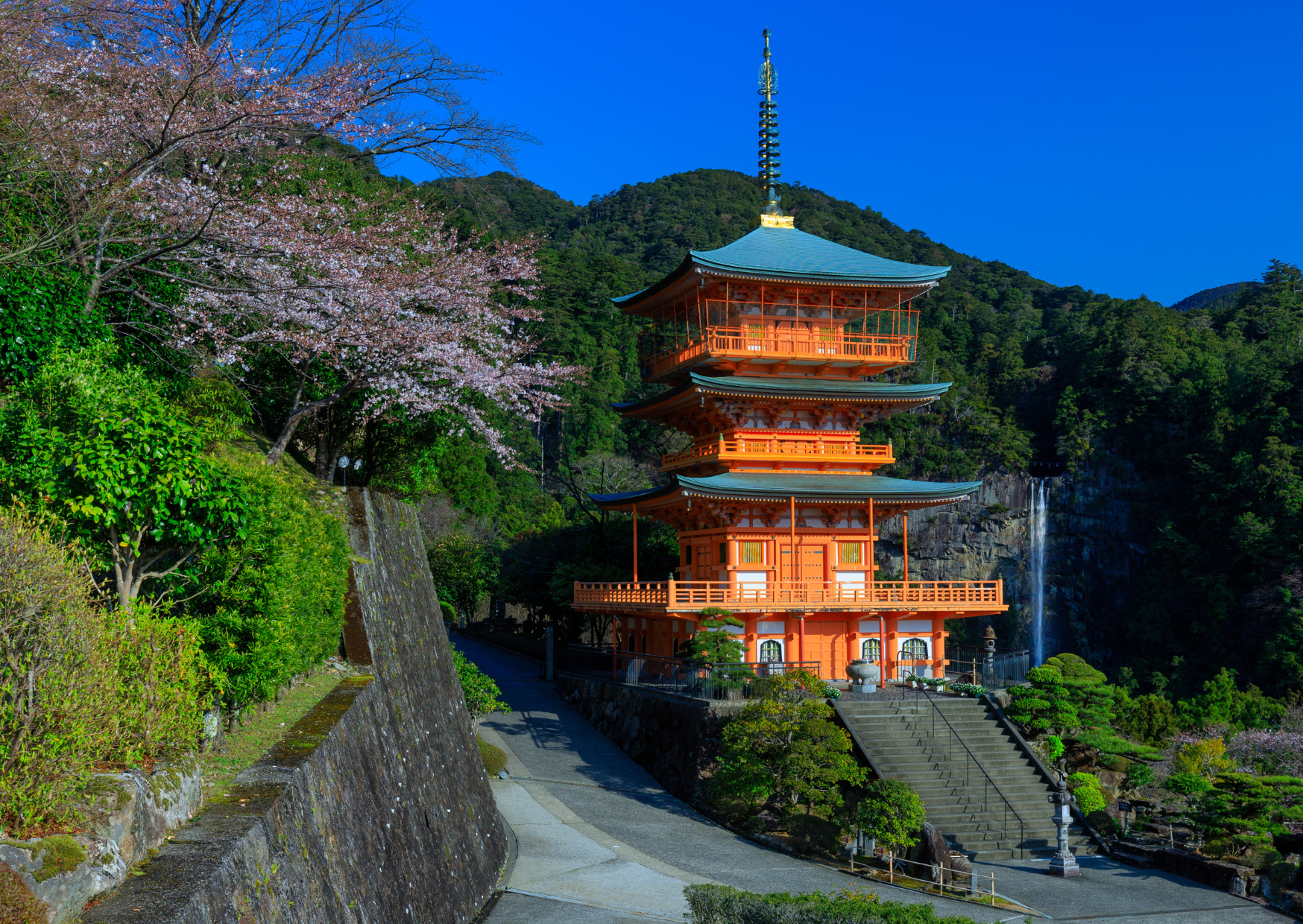
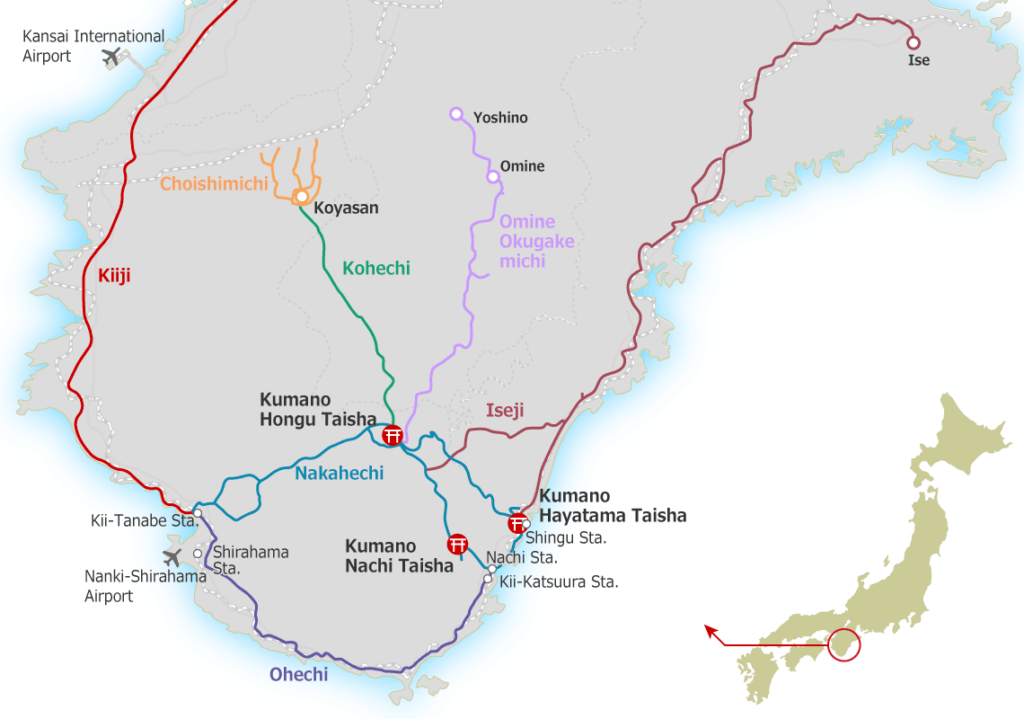
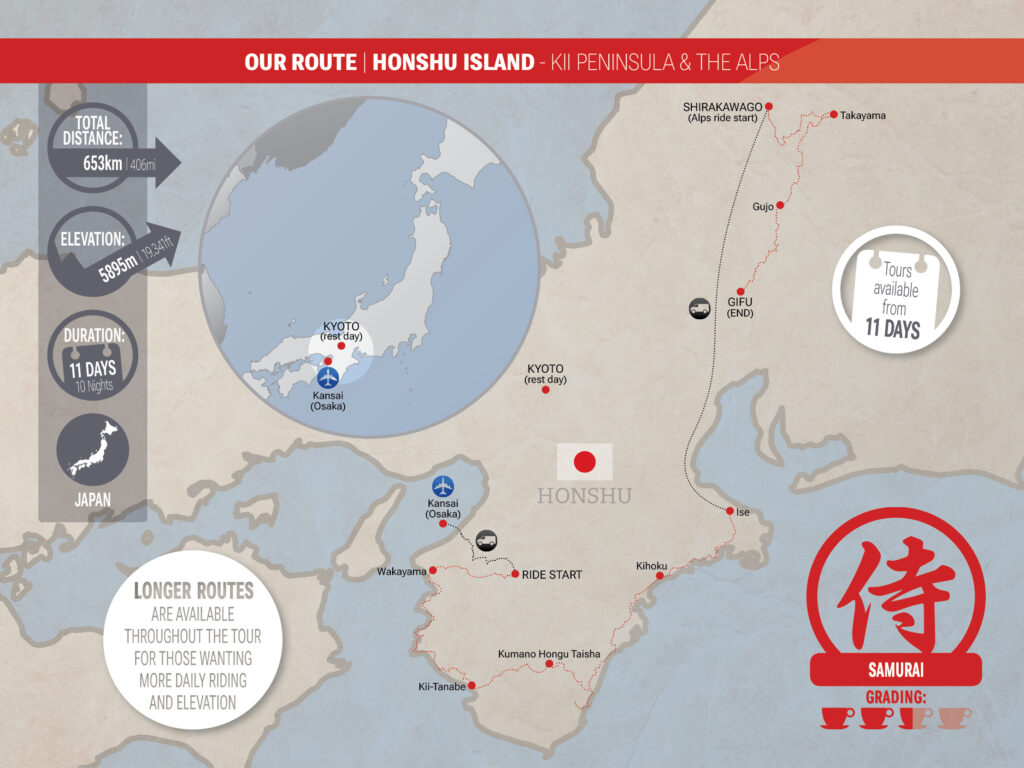
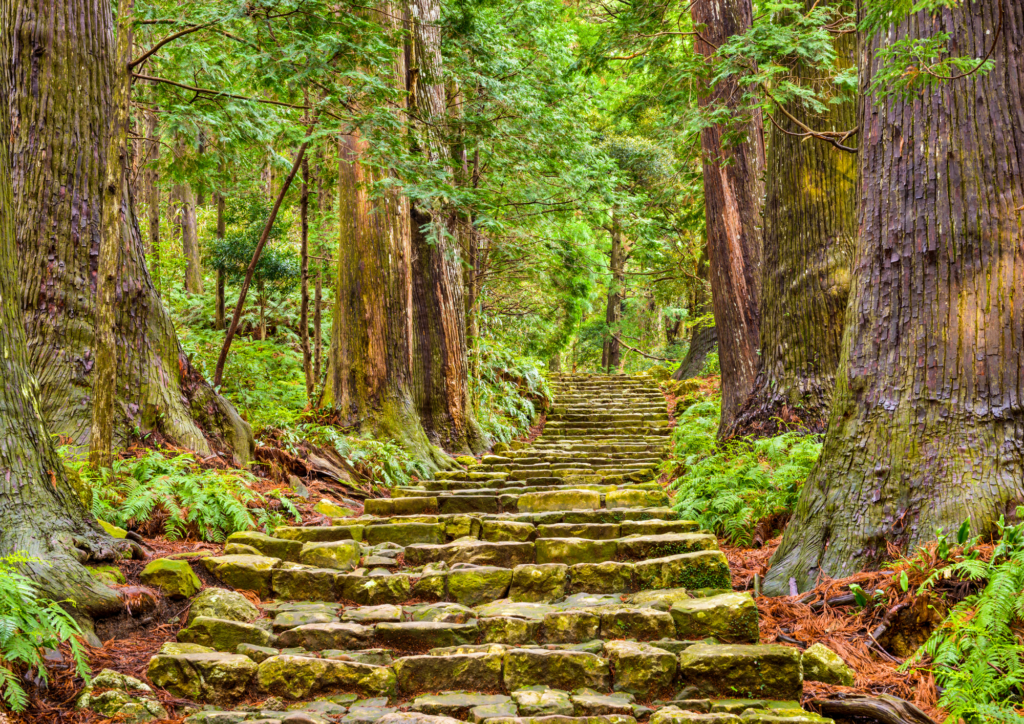
The Kii Peninsula and Kumano Kodo: Explore the UNESCO-listed pilgrimage trails of the Kii Peninsula, where misty forests and historic shrines tell stories of devotion and endurance.
The Wild North of Hokkaido: Discover Japan’s untamed frontier — wide open roads, volcanic peaks, and sweeping farmlands that make for some of the most exhilarating riding in Asia.
The Delights of Kyushu: Immerse yourself in the warmth of Japan’s southern island, home to hot springs, samurai-era castles, and a rich culinary heritage shaped by centuries of trade and tradition.
Each tour is fully supported by our expert team, blending precision cycling logistics with authentic cultural immersion. Whether you’re tracing the footsteps of samurai or climbing toward misty mountain shrines, every day brings a new story to tell.
The Reward Awaits
No cycling journey through Japan would be complete without the ritual of the onsen — the country’s natural hot springs that have soothed body and soul for centuries. More than just a place to bathe, the onsen is a cornerstone of Japanese culture, symbolising purification, relaxation, and connection with nature. Set in stunning locations — from mountain valleys to seaside cliffs — these mineral-rich waters are said to have healing properties that ease tired muscles and restore balance after a day in the saddle.
For the Japanese, visiting an onsen is as much about mindfulness as it is about recovery. The quiet atmosphere, the sound of trickling water, and the surrounding natural beauty create a sense of calm that perfectly complements the rhythm of a cycling day. The etiquette — washing carefully before entering, soaking in silence, and taking time to reflect — encourages a moment of stillness and gratitude.
After a long ride, slipping into an onsen feels like a reward and a ritual all at once. The warmth seeps into your legs, the fatigue melts away, and you’re left with a deep sense of contentment — the kind that only comes from a day well spent on the road. It’s the perfect way to end a day of exploration, and an experience that stays with you long after you’ve left Japan’s shores.
‘At Ride and Seek we understand the importance of a good bike beneath you.’
We are always happy to facilitate you bringing your own bike, however, we appreciate this is not always possible, so we’ve endeavored to give you the option of high-end bike hire. Below are the bikes available for rental on our Bolivar – Bogota to Cartagena Colombia Tour.
Time Alpe d’Huez X 2026 – (available in Colombia only)
Frame Type: Carbon Wheel Size: 700c Handlebar: Drop Bars Drive Train: Shimano Ultegra di2 – 2x12s Shifting: di2 Electronic Chainrings: 50 x 34 Compact Cassette: 11-34 Pedals: Flat Pedals standard. Bring your own pedals if you prefer and we’ll mount them. Wheels: Mavic Tires: 700×35 Brakes: Disc Saddle: Options available or bring your own
Brake set-up: Left brake lever = front brake, Right brake lever = rear brake. Same as the US
Argon 18 E-bike (or similar)
Frame Type: Aluminium Fork: Carbon Wheel Size: 700c Handlebar: Drop Bars Drive Train: Shimano 105 2/11s Chainrings: 50 x 34 Cassette: 11-34 Pedals: Flat Pedals standard. Bring your own pedals if you prefer and we’ll mount them. Tires: 700×32 (or more) Brakes: Disc Brakes Saddle: Standard bike saddle or bring your own Approx. Weight: 13Kg Motor: Mahle Motor X35 with 250wh internal battery + 216wh external battery
Brake set-up: Left brake lever = front brake, Right brake lever = rear brake. Same as the US
Colombia has been on our radar for years, and when the time came to expand into South America—making it our sixth continent—there was no better place to start. Antarctica is the last frontier!
This guide brings together the thoughts and experiences of Beatrice and Ben to offer an insight into cycling in Colombia. With Ben, our General Manager, spending six months on the ground, he has been refining the route, inspecting hotels, and fine-tuning the details to ensure the experience meets our standards. Much of our discussion in the lead-up to this launch has focused on how perceptions of Colombia have evolved — from its turbulent past to the vibrant, safe and culturally rich destination it is today.
Beatrice’s on-the-road perspective has added another valuable layer, helping us paint a fuller picture of what cycling and travelling here truly feels like. And special thanks to Tomas, whose local knowledge, gained from more than 10 years of running bike tours in Colombia, has been instrumental in shaping the culturally immersive itinerary we have today. Together, their insights help explain why Colombia stands out as the ideal location for our first South American cycling adventure.
“Few places combine terrain, culture, and cycling heritage as naturally as Colombia. From the Andes’ high passes to the coffee country and Caribbean coast, every ride draws you into a new landscape and rhythm. Geography shapes everything here — the Andes carve through the nation’s heart, creating thousands of kilometres of roads that range from gentle rollers to lung-searing climbs. But it’s the culture that gives it soul: cycling is part of daily life, from weekend riders on the mountain passes to commuters in bustling city streets. And now, with Colombia open, safe, and welcoming, it’s the perfect time to explore it by bike.” Ben Weigl
The guide presented below is designed to offer practical insight for anyone considering a cycling trip to Colombia, whether you’re planning your own route or joining us on our Bolivar Tour.
Why Cycle in Colombia?
Colombia rewards cyclists who appreciate variety. You might begin your morning at 2,500 metres (8,200 feet) in crisp Andean air, ride through cloud-forest terrain by midday, and finish the day in subtropical warmth.
The Andes dominate the interior, but the country also holds coastal plains, river valleys, and coffee-growing highlands that sit at ideal riding temperatures year-round. Many of these same routes once carried Simón Bolívar and his army toward independence — a reminder that Colombia’s landscapes have long been a stage for endurance, freedom, and determination.
Climate is one of the most practical reasons to ride here. Sitting near the equator, Colombia experiences seasons defined by rainfall, not temperature. The dry months — November through March and July through August — bring the most consistent conditions. Even in wetter periods, rain usually arrives in the afternoon, leaving mornings clear for riding.
“But what makes cycling in Colombia exceptional isn’t just the roads or the weather — it’s the people. Colombians wave from doorways, cheer from roadside shops, and often ride themselves. There’s a shared language around the bicycle, whether you’re passing a weekend club ride or stopping for water at a tienda where the owner asks which climb you’re tackling.” Ben Weigl
Once you leave the cities, Colombia quickly becomes remote. Long stretches of mountain road thread through farming villages, coffee plantations, and valleys where life moves at a slower pace. It’s in these quieter sections that the country reveals its spirit.
“Cycling in Colombia is wonderful — the whole vibe encourages you to slow down and take it all in. You feel it in the way drivers interact with cyclists, giving space and respect as everyone gets on with their day. And if the sloth signs are anything to go by, this really is a country where you’re meant to take it slow and enjoy the ride.” Beatrice Jeavons
Key Cycling Regions and Tour Routes
Bogotá and Surrounds
Bogotá serves as the logical starting point for most cycling trips, and it’s where Ride & Seek’s Colombian epic begins. The city sits on a high plateau surrounded by rolling hills and peaks, and the altitude alone makes it a training ground. Every Sunday, the Ciclovía closes over 120 kilometres of city streets to cars, filling them instead with thousands of cyclists, runners, and families. It’s less a novelty and more a cultural institution.
The roads leading out of the city climb quickly. Popular routes head toward La Calera, Patios, or Guatavita, each offering expansive views once you’re above the urban sprawl.
Villa de Leyva
Two hours north of Bogotá, Villa de Leyva offers a completely different vibe. The town itself is colonial, built around a vast cobblestone plaza that seems frozen in the 16th century. The roads leading into and out of town are quiet, winding through high-desert terrain dotted with fossils, olive groves, and Andean farmland.
The Coffee Triangle
The region known as the Coffee Triangle—roughly between Manizales, Pereira, and Armenia—sits at the heart of Colombia’s coffee culture. The roads here roll through plantations, past fincas with sweeping porches, and into small towns where world-class coffee is treated with the seriousness it deserves.
The terrain is less extreme than the high Andes, which makes it ideal for soaking in the unique landscape after some more rigorous days. The climbs are steady rather than punishing, and the descents often lead directly into towns where you can stop for lunch, walk through a market, or visit a working coffee farm.
Alto de Letras
If you’re after a real challenge, the Alto de Letras more than earns its reputation. At over 80 kilometres and rising from around 300 to 3,600 metres, it’s one of the longest paved climbs in the world. The gradient is steady, the surface good, and the landscape changes endlessly as you ride — from tropical heat at the bottom to crisp, thin air near the summit. It’s become a near-mythical ascent thanks in part to features like Simon Richardson’s GCN video, and it genuinely captures the scale and atmosphere of riding in Colombia. The ‘Braking News’ though, is that there is a NEW longest climb called Alto del Sifón, and we have chosen to ride that instead of Letras on Bolivar.
Alto del Sifón
Meet Alto del Sifón — or El Sifón as locals call it. This Tolima giant stretches to about 115 km with more than 4,700 metres of gain, putting it right at the top of the list for longest paved, uninterrupted ascents. It’s not the gradient that gets you, and it’s not a tricky road; it’s the relentless length. To grasp the scale, you’re looking at a climb over four times longer than Mont Ventoux, more than twice Mount Teide, and even beyond Mauna Kea. Alto del Sifón resets the bar: a pure endurance challenge where the real battle is staying steady, patient, and mentally switched on for hours.
We’ve set the tour up so you can ride the whole climb or just a section of it, depending on how big a day you’re after. The road has been newly paved and runs through a national park, which means you can properly get away from the traffic — something Letras simply doesn’t offer in the same way. Having scouted both routes, we’re convinced Sifón is the climb for us.
Cartagena and the Coast
Cartagena makes a fitting endpoint after days in the high mountains, trading altitude and cool air for heat, humidity, and the sound of the Caribbean. It’s also a chance to explore a popular tourism destination in its own right; expect colonial architecture, Caribbean vibes, and food that reflects centuries of coastal trade.
Cartagena’s walled old town is dense with history and energy. Cobblestone streets wind between brightly painted facades, balconies spill with bougainvillea, and shaded plazas offer a place to rest with a cold drink. The city’s food scene rivals any in South America, with fresh seafood, tropical fruit, and inventive local cooking that reflects both Caribbean and Spanish roots.
Ride & Seek’s Colombia Cycling Tour finishes here, where the country’s contrasts finally converge — mountains and coast, endurance and ease, history and celebration. Cycling through this landscape, you can still feel that same spirit of independence and pride that defines Colombia today.
Cycling Culture and Daily Life on the Road
Cuisine is a big part of what makes Colombia an unforgettable cycling destination.
Roadside vendors sell empanadas — fried pockets of dough filled with meat or potatoes — that make ideal mid-ride fuel. Arepas, the corn cakes that show up at nearly every meal, come in dozens of regional variations. Fruit is everywhere: mango, papaya, lulo, guanábana, often sold from carts or small shops along the route.
Coffee, naturally, is a ritual. Even the smallest tienda will have a thermos ready, and the quality is consistently high. It’s common to stop mid-morning for a tinto — a small, strong cup — served in a plastic or ceramic mug that you return before continuing.
Downtime between rides reveals another side of Colombia. Markets are practical rather than polished, filled with produce, textiles, and household goods instead of souvenirs. Town plazas fill in the evening as families walk, vendors set up carts, and music drifts from nearby cafés.
Safety, Infrastructure, and Local Support
Colombia has invested heavily in cycling infrastructure over the past two decades. Major roads include wide shoulders, clear signage, and regular maintenance. In tourist regions, police often patrol routes specifically to support visiting cyclists. The country’s reputation has shifted, and the reality on the ground reflects that change.
That said, altitude requires respect. Bogotá and much of the Andes sit above 2,500 meters, and even fit riders need time to acclimate. Headaches, fatigue, and shortness of breath are common in the first 48 hours. Hydration matters more at elevation, and pacing yourself on early climbs prevents unnecessary suffering later.
Local riding etiquette is straightforward. Drivers generally give cyclists space, especially on mountain roads where they’re used to sharing the pavement. Hand signals are understood, and it’s common practice to acknowledge drivers who wait patiently behind you on narrow sections.
In the words of Beatrice, who is travelling in Colombia for the first time, offering a fresh and honest perspective on what it’s like to ride here, from her early impressions and favourite discoveries to the practicalities of cycling as a woman and a vegetarian.
Your favourite city or town so far, and why?
Cartagena. The energy, the colourful neighbourhoods, the Caribbean influence — it all feels alive and incredibly welcoming.
Your favourite meal?
I love the plantain that comes with so many meals here, all the amazing fresh fruit — especially green mango with salt and lime (mango biche con sal y limón) — and the soups in the menú del día. Simple, full of flavour, and perfect for replenishing salts after a hot ride.
Your favourite drink?
Definitely lulo juice. Not too sweet, super refreshing, and perfect after a long day on the bike.
What has surprised you most about being in Colombia?
How polite and respectful the drivers are. Even on busy roads they give you loads of space, offer little toots of encouragement, and shout supportive cheers out the window. Cycling is genuinely part of the culture and identity here.
How does cycling in Colombia differ from Europe or Australia, and why?
The drivers! I wish the trucks back in Australia were this polite. The roads often run straight through the heart of each village, so you find yourself riding past kids playing, farm animals, street stalls and everyday life unfolding right beside you. It feels very connected and human. And in the big cities they hold Ciclovía on Sundays, closing major roads to cars so people can ride, run, roller-skate and just be out. It’s amazing.
What’s it been like riding there as a woman?
I’ve felt completely fine and safe. Bogotá, like any big city, has areas you avoid and moments where you stay aware, but overall, the vibe has been respectful and friendly. And there are so many women out riding in the cities — it’s great to see.
How has it been being vegetarian food-wise?
Mostly pretty good. I’m a fairly flexible vegetarian, and while some smaller places have limited options, I’ve always managed to find something delicious with enough protein — as long as you’re happy with beans. In the bigger cities, there are plenty of choices. Traditional food isn’t heavy on vegetables, so a little planning helps.
What’s the terrain been like — any climbs or descents you’ll never forget?
The roads are mostly good, though there are sections with potholes, gravel and rough surfaces that need attention. The climbs are incredible. Colombia is so mountainous that you can be in the heart of a major city one moment and high above it the next, with huge sweeping views in every direction.
Any other insights?
Just how much the country has changed. The old stereotypes don’t reflect the reality on the ground — things are vibrant, colourful and far safer than the stories from 30 years ago would suggest.
When to Go and What to Expect
The dry seasons—November through March and July through August—offer the most reliable riding conditions. Mornings are typically clear, with afternoon clouds or rain appearing predictably enough that you can plan around them.
Temperatures vary by elevation, but daytime highs in the mountains range from 15 to 25 degrees Celsius, while coastal areas stay warmer. Even the rainy season can be an excellent time to immerse yourself in Colombia’s best cycling; it rarely rains all day and you’ll have less crowds on main roads and lush surrounding landscapes.
Regional climates differ significantly. Bogotá can be cool and overcast. The Coffee Triangle tends toward warm days and mild evenings. Cartagena is tropical, with heat and humidity that require adjustment if you’ve been at altitude for weeks.
Gear should account for variable conditions. Mornings at altitude can be cold, requiring arm warmers, a vest, and gloves. By midday, you’ll likely strip down to a jersey and bibs. Rain gear is essential, even during the dry season, as weather in the mountains shifts quickly. A good multi-tool, spare tubes, and a pump are standard, though mechanical support is often available on popular routes.
Planning Your Colombian Cycling Trip
Good riding in Colombia is about balance — enough climbing to make it memorable, but not so much that it overshadows the journey itself. Our route is designed with that in mind: challenging enough to satisfy strong riders, yet accessible within our three-and-a-half–espresso-cup grading. It blends steady climbs with cultural immersion at every turn, with optional extensions for those who want to push a little further.
The route was developed by our General Manager, Ben, together with our local partner, Tomás, whose knowledge of Colombian roads and riding culture shapes every stage. It reflects Ride & Seek’s Epic Bike Tour approach: purposeful, immersive, and connected to place.
The result is a journey that celebrates stunning landscapes, warm hospitality, and the simple joy of exploring one of the world’s great cycling nations.
Frequently Asked Questions About Cycling in Colombia
Tomas (pictured above) has played an instrumental role in helping us shape an itinerary that we believe offers the best cycling and travel experience we could provide in Colombia. Drawing on his insight, he also helped us respond to some of the key questions that have come up in the lead-up to creating this tour.
Is it safe to cycle in Colombia?
Yes. Cycling in Colombia is generally safe, especially in areas popular with riders and on established routes. The country has invested heavily in road infrastructure and cycling awareness. Many Colombians use bicycles for daily transportation, and drivers are accustomed to sharing the road. As always, local knowledge helps — guided tours or recommended routes ensure the safest and most rewarding experience.
How popular is cycling in Colombia?
Cycling isn’t just a sport in Colombia — it’s part of the national identity. From everyday commuters to elite Colombian cyclists who dominate international races, the passion runs deep. Cities like Bogotá host weekly Ciclovía events, closing major streets to cars so thousands can ride freely. The sport’s success on the world stage has made cycling one of Colombia’s most prestigious and unifying activities.
Why cycle in Colombia?
Cycling is one of the best ways to explore Colombia’s diversity — from the Andes to the Caribbean coast. The combination of smooth roads, stunning scenery, and warm hospitality makes it a truly unique riding destination. Whether you’re seeking a challenge or a cultural journey, exploring by bike is the way to go if you want to see the real Colombia.
Vienna, with its rich history, classical music legacy, and grand architecture, offers an array of cultural and historic experiences. Here’s a suggested itinerary based on having a two-day stay in this enchanting city. You can obviously adapt it based on the time you have available.
Day 1: Exploring Vienna’s Historic Heart
Begin your trip with a visit to Schönbrunn Palace, one of the most significant cultural monuments in Austria. This UNESCO World Heritage Site was the summer residence of the Habsburgs and is famed for its Baroque architecture and exquisite gardens. Arrive early to avoid crowds and explore the opulent state rooms on a guided tour, learning about the lives of Empress Maria Theresa, Emperor Franz Joseph, and other royals. Afterward, take a leisurely stroll through the vast gardens, stopping by the Gloriette for a panoramic view of Vienna.
Head to St. Stephen’s Cathedral in the city center. This Gothic masterpiece is one of Vienna’s most iconic landmarks, with its impressive multi-colored tiled roof. You can explore the cathedral’s interior or climb the south tower (343 steps!) for spectacular views of the city. Be sure to admire the cathedral’s intricately designed altars and stained-glass windows, which reflect centuries of history.
In the context of our tour, our trip specialist Nathalie adds, “St. Stephen’s Cathedral played a key role during the Siege of 1529, with its towers serving as lookout points. Explore Vienna’s City Walls remnants near the Ringstrasse, built for defence during Suleiman the Magnificent’s siege. The Heeresgeschichtliches Museum (Museum of Military History) also has exhibits related to the siege.”
The Hofburg Palace, which was the Habsburgs’ winter residence. This vast complex is now home to several museums, including the Imperial Apartments, Sisi Museum, and the Imperial Treasury. Explore the life of Empress Elisabeth (“Sisi”) and the luxurious lifestyle of Austrian royalty. The palace’s grounds and courtyards are also worth exploring for their architectural beauty and regal atmosphere.
For art lovers, the Albertina Museum is a must. Located near the Hofburg, it houses an impressive collection of artworks, including pieces from Monet, Picasso, and Austrian artists like Gustav Klimt. The museum is known for its graphic arts collection and rotating exhibitions that highlight different periods and movements.
End your day with a visit to the Vienna State Opera. If you’re a fan of classical music or opera, you might want to attend an evening performance. The opera house is renowned for its acoustics and ornate interiors. Even if you don’t have time for a show, consider taking a guided tour of the building to learn more about its storied past.
Day 2: Art, Culture, and Local Flavors
Start your second day at Belvedere Palace, another Baroque gem. This palace is split into the Upper and Lower Belvedere and is home to the world’s largest collection of paintings by Gustav Klimt, including his famous work, The Kiss. Besides Klimt, the museum features works by Egon Schiele, Oskar Kokoschka, and other Austrian masters. Take your time to wander through the beautiful gardens connecting the two parts of the palace.
After the art-filled morning, head to the Naschmarkt, Vienna’s most popular market. This bustling place is perfect for grabbing lunch and immersing yourself in the local food scene. You’ll find an array of stalls selling fresh produce, cheeses, meats, and ready-to-eat dishes. Try some traditional Viennese food like Wiener Schnitzel or Apfelstrudel, or simply enjoy a coffee at one of the market’s many cafes.
In the afternoon, dive into more art at the Kunsthistorisches Museum. This grand museum houses an extensive collection of works by European masters like Raphael, Vermeer, Rubens, and Bruegel. The museum’s architecture is as impressive as its collection, with marble staircases, ornate ceilings, and beautiful frescoes.
For a more relaxed end to your day, visit Prater Park and take a ride on the Riesenrad (Giant Ferris Wheel), a historic landmark offering panoramic views of Vienna. This iconic Ferris wheel is a perfect way to see the city from above, especially during sunset.
After a day full of exploring, treat yourself to a leisurely dinner at a traditional Viennese restaurant. You might want to try the city’s signature dessert, Sachertorte, at the renowned Café Sacher. Afterward, take an evening stroll along the Ringstrasse, a grand boulevard encircling the historic center, with many of Vienna’s most famous buildings lit up at night.
Additional Tips:
Public Transport: Vienna’s public transport is efficient, with trams, buses, and the U-Bahn (subway) connecting the city’s major sites.
Vienna Pass: Consider purchasing the Vienna Pass for discounted entry to many attractions and free access to hop-on-hop-off buses.
In two days, you’ll get a taste of Vienna’s imperial history, artistic treasures, and vibrant cultural scene.
Setting up our Epic Adventures is very much a process that evolves over the course of time. Generally, it starts with a conversation about how cool it would be to follow in the footsteps of a particular historical figure to then poring over maps as to the feasibility of doing it on a bike! If the idea strikes a chord we then find ourselves conceptualizing a route and then trying to join the dots between places of interest along the way. Before we know it the trip specialists are searching out the road less travelled, visiting possible lodging options and searching out eateries that give a sense of the place we are visiting.
With our Marco Polo Cycling Tour the process was very much assisted by the fact our trip specialist Marcello had been running tours down the Dalmatian coast for many years and had studied in Venice over 2o years ago. The tour was very much a realisation of a personal dream to create a tour with Marco Polo at its core and we were more than happy to make it happen. However, there was still a need to test some of his recommendations before we added them to the roster. This was the case with a family-run restaurant in an abandoned village on the island of Hvar that Marcello thought would work well on the tour. It is fair to say Dylan didn’t object too strongly when asked to try it out when on a family holiday in Hvar!
The test run was a resounding success and everything about the experience fitted with our desire to sample local fare and get a sense of place through doing so. Our host and chef Berti took the time to introduce us to his family and explained how he ended up running a biodynamic restaurant specialising in ‘peka’ in an abandoned village on the island of Hvar. It was clear that this dining experience had all the ‘ingredients’ to be added to the list of culinary highlights across the tours we run and our visit there in September proved that to be the case. The meat and seafood peka dishes served up were sublime and so we thought we thought we’d give you more of an insight into what ‘peka’ actually was.
The peka is a traditional dish from the Dalmatian region of Croatia. It’s a relatively simple dish of meat and vegetables, placed in a large pot or pan with a metal lid called a cripnja, and cooked for several hours in the embers of a fire. Much of Croatian cuisine celebrates cooking over the fire, with its grills and skewers, and the peka is part of this great tradition. What appears a fairly rudimentary cooking method produces the most succulent results, and over the generations, the process has taken on its own ritual, with many older homes having a specific place where the peka is prepared. It is often served when there are guests in the house, and restaurants in the area will typically have several versions on the menu, with different choices of meat and fish.
The Peka recipe
– Light the fire at least an hour before starting to cook, and place the cooking pot near the fire to warm.
– Cut the meat or fish into large pieces and place in the pot. Lamb and veal are often used, as is fish and octopus.
– Cut the potatoes and any vegetables you wish to use into large pieces and nestle them in the pot along with the meat.
– Season with olive oil, salt, pepper and a little paprika.
– When you have plenty of embers in the fireplace move them to one side using your fireside shovel, and place the peka pan directly onto the hot stone, making sure the lid is securely fitted.
– Then shovel the embers over the top of the pot and cook until the potatoes are golden and the meat tender and juicy, which will take an hour for fish dishes, and longer for tougher cuts of meat.
The right amount of seasoning and perfect cooking time comes with experience, like so many things in life!
As is often the case the best accompaniment to a dish that is very much a part of its local culture, is a local wine. Here are a few of Croatia’s most fabulous reds and whites. We were very lucky to have our newly qualified sommelier Marcello on the tour to manage the wine kitty 🙂
Dingač is known as the ‘King of Croatian wines’. The Dingač region is on the Pelješac Peninsula in the Dalmatian region and was the first wine-producing area in Croatia to become a protected zone in 1965. The Plavac mali grape, that grows on its steep southern slopes, creates a wine that is dark red, full-bodied and generally strong, typically with an alcohol content of 15%.
Pošip is a robust white wine, golden in colour, and a great accompaniment to fish Peka, including the fabulous octopus peka. The grape is grown mostly on the island of Korčula, and also goes well with the light cheeses produced in the area.
Plavac mali is a ruby red, rich and velvety wine. Its excellent quality has made it one of Croatia’s most exported wines, and a popular choice to pair with game and meat dishes.
Faros is another a top-quality wine produced from the Plavac mali grape. The grapes used to create this dry red are grown on the island of Hvar, the variety having been originally cultivated in the area by the ancient Greeks.
Bogdanuša is a variety also grown almost exclusively on the island of Hvar, producing a dry greenish-yellow white wine. It has a fresh taste, with fans detecting the presence of the lavender that grows alongside it on the Stari Grad Plain.
Prošek is a sweet dessert wine produced in the south of Croatia, predominantly Dalmatia. Because of its production method that requires seven times more grapes than other wines, only a few hundred litres are made each year, making good quality versions more expensive. In Croatia it often makes an appearance on special occasions such as weddings and christenings, but don’t fall into the trap of confusing it with Italian Prosecco!
One of our highlight rides from the Norsemen Tour in Norway is on the Lofoten Islands. It comes early in our tour but really serves to set the scene for the riding ahead. The ride from Solvær to Reine truly is one for the ages!
As you pedal away from Svolvær, you’ll find yourself engulfed in a symphony of mesmerizing landscapes. Majestic mountains stand tall, their snow-capped peaks seemingly touching the heavens, while deep fjords glisten like jewels under the endless Arctic sun.
The coastal road gracefully winds along the rugged coastline, revealing one stunning panorama after another. Passing through the quaint fishing village of Henningsvær (below), the picturesque charm of colourful houses against the backdrop of vast blue waters will leave you spellbound.
As you venture further, Reinefjorden comes into view, a stunning masterpiece of nature that beckons you closer. Arriving in Reine, you’ll be welcomed by its iconic red rorbuer perched on the water’s edge, mirroring the grandeur of the towering mountains.
The journey is not just a visual feast but a spiritual experience too. The crisp air carries the salty scent of the sea, while the gentle whispers of the wind become your constant companion. Each pedal stroke becomes a communion with the untamed nature surrounding you.
Embrace the adventure and explore hiking trails leading to breathtaking viewpoints like Reinebringen, rewarding your efforts with panoramic vistas that resonate deep within your soul. Along the route, friendly locals welcome you with warm smiles and captivating stories, making you feel at home in this remote corner of the world.
This cycling odyssey between Svolvær and Reine celebrates nature’s magnificence, a harmonious blend of serene coastal charm and awe-inspiring wilderness. It’s an unforgettable voyage into the heart of Lofoten’s enchantment, leaving an indelible mark on your memories and forever igniting the wanderlust in your spirit.
Tokyo is our gateway to the start of our Mt Fuji tour. For those arriving early, we have compiled a blog designed to give you an outline for spending a day in this amazing city. A day in Tokyo offers an exhilarating blend of tradition and modernity.
Morning
Begin your morning at Asakusa, home to the historic Senso-ji Temple. Wander through Nakamise-dori, a bustling street lined with traditional shops selling souvenirs and snacks. Next, visit the serene Meiji Shrine, nestled in a forested area near Harajuku. This Shinto shrine is a peaceful retreat from the city’s hustle. Afterward, stroll down Takeshita Street in Harajuku, which is famous for its quirky fashion boutiques, crepe stands, and vibrant youth culture.
For lunch/brunch, head to Shibuya, where you can savour a delicious bowl of ramen or sushi. Don’t miss the famous Shibuya Crossing, one of the busiest intersections in the world, and the iconic Hachiko Statue. Shibuya is a dynamic district perfectly capturing Tokyo’s blend of modern energy and youthful culture. My first trip there was in 2008, and it left an indelible mark in terms of me knowing that I would be back again and again!
If ramen is your thing, I recommend finding your way to the aptly named – Ramen Street! Ramen Street is located in the underground Tokyo Station and is a must-visit for noodle enthusiasts. It features eight renowned ramen shops, each offering unique regional styles and flavours. From rich tonkotsu to savory shoyu, Ramen Street is a culinary journey through Japan’s beloved noodle dish. I’ve only eaten there once, but the place I chose – Rokurinsha – did a good job, so I’m happy to recommend it as an option.
Afternoon
In the afternoon, explore the trendy district of Omotesando, known for its stylish boutiques and cafes. Then, make your way to the Roppongi Hills Mori Tower for panoramic views of Tokyo from the observation deck. Another area I also enjoy visiting is the Harajuka district. Don’t miss Cat Street for unique shops and trendy vibes. Finish with a relaxing stroll through Yoyogi Park, where you can enjoy street performances and the lively atmosphere, capturing the eclectic essence of Harajuku.
Evening
As evening falls, visit the lively district of Shinjuku. Wander through Omoide Yokocho, a narrow alleyway filled with small izakaya (Japanese pubs), perfect for an authentic dining experience. The izakaya experience offers a cozy, informal setting where you can enjoy a variety of small, flavorful dishes paired with drinks. It’s a perfect spot for socializing with friends, experiencing local culture, and savoring delicious Japanese cuisine in a lively atmosphere. I liken the izakaya experience to being a form of Japanese tapas and a quintessential cultural immersion. If you don’t have a Japanese speaker with you, the chances are you’ll end up doing a lot of pointing and checking out the dishes of others around you to help you make a choice. That is all part of the fun, and the crisp beer that flows really helps wash it all down.
Between the first and second legs of the Samurai tour, we have a wonderful ‘stopover’ in the enchanting city of Kyoto. With its rich blend of history, culture, and natural beauty, it is a wonderful city to visit and explore. The purpose of this blog is to give you some suggestions for making the most of your time there based on the premise of having a single day to explore.
Morning
Start your morning at the iconic Fushimi Inari Taisha, famous for its thousands of vermilion torii gates. An early visit helps you avoid the crowds and enjoy a serene hike through the sacred Torii gate path up Mount Inari. If you are a coffee fan looking to make up for an absence of barista-style coffee on the tour itself, Kyoto ticks that box as well. I was recommended the % ARABICA Kyoto Higashiyama coffee house on a previous visit, and it did not disappoint. The coffee shops don’t tend to open super early, so it may be an option after visiting Fushimi Inari Taisha as it is very close to Kiyomizu-dera.
Kiyomizu-dera is an amazing UNESCO World Heritage site. This ancient temple, with its wooden stage offering panoramic views of Kyoto, is particularly stunning during cherry blossom and autumn foliage seasons. Stroll through the charming Higashiyama District, where traditional wooden machiya houses and quaint shops line the streets.
Afternoon
For lunch, savour some local cuisine in the Gion district, known for its traditional tea houses and as the heart of geisha culture. This is perhaps a good time to experience a traditional tea ceremony as well. Kyoto remains the centre of the Japanese tea ceremony world (and the tea-growing world, for that matter, since much of it is grown in the southern suburb of Uji). The three main schools are all located here, and it’s a fantastic place to sample an actual tea ceremony. I had a good experience with Camellia Flower and am happy to recommend them as an option.
And for something a little different, why not dress up as a geisha? If you’d like to experience being a geisha for a few hours, several places in Kyoto offer “maiko henshin” (maiko transformation) services. A simple google search will bring up several businesses that offer this service. It is not something I have done personally, but I have been told that it is a lot of fun.
Another idea is to visit the tranquil Ryoan-ji temple, home to Japan’s most famous rock garden. Then, explore the nearby Kinkaku-ji, the Golden Pavilion, whose top floors are covered in gold leaf and reflect beautifully in the surrounding pond.
Evening
End your day with a stroll along the Philosopher’s Path, whether the cherry blossom is in flower or not. Obviously, it is far more evocative when it is in bloom, but the walk merits a visit regardless, so this works for both the spring and autumn departures. As dusk falls, head for dinner. Savour kaiseki, a traditional multi-course meal at Kikunoi, is renowned for its exquisite presentation and seasonal ingredients. Alternatively, enjoy yudofu (hot tofu) at Okutan, a historic restaurant near Nanzen-ji Temple, for an authentic taste of Kyoto’s vegetarian Buddhist cuisine. Kyoto’s cuisine is renowned for its meticulous attention to seasonal ingredients, exquisite presentation, and deep-rooted tradition, creating a harmonious blend of flavours that reflect the city’s rich cultural heritage.
This itinerary captures the essence of Kyoto, blending its historical grandeur with modern charm. For a more in-depth dive into all things Kyoto, I recommend the Inside Kyoto blog as a fantastic resource for making the most of your stay there.
With two stages of Samurai—Shikoku and the Kii Peninsular—starting from Kansai International Airport (KIX), we know that guests who arrive early for the tour are often interested in visiting Osaka. The airport itself is located on an artificial island in Osaka Bay, about 38 kilometres (24 miles) southwest of central Osaka so you need to factor in getting to and from the city. With a train station situated in the airport, the 50-minute journey into the centre of Osaka is easy to negotiate. The purpose of this blog is to outline how you could take in some of the main sites in the city and do so in the context of travelling to and from the airport. I have tried to break it down into easy time slots.
Morning
Breakfast: Take advantage of the extensive range of Western and Japanese dishes on offer at your breakfast buffet, as that same range won’t necessarily be found in the more ‘local’ accommodations we seek out on tour. Our culinary overview of the tour sets the scene for what a more traditional breakfast entails. If eggs and bacon are your thing, we suggest you make the most of the international fare on offer in the airport hotels before we hit the road less travelled :).
Getting to Osaka Centre: Take the JR Haruka Express or Nankai Airport Line to Osaka Station (about 50 minutes).
Osaka Castle: Start your day by visiting Osaka Castle, a historic landmark with beautiful gardens. Explore the museum inside to learn about Japan’s history.
Mid-Morning
Dotonbori: Head to the vibrant Dotonbori district. Stroll along the canal, snap photos with the famous Glico running man sign, and enjoy street food. The street food throughout the city is fantastic and well worth sampling as part of your immersion into Japanese culture. Osaka’s rich culinary culture, often called “the nation’s kitchen,” features diverse, flavorful dishes like okonomiyaki (savoury pancakes), and kushikatsu. Kushikatsu is a popular Japanese dish consisting of skewered and deep-fried meat, seafood, and vegetables. Originating in Osaka, each piece is coated in a light batter and then breaded with panko (Japanese breadcrumbs) before being fried to a crispy golden brown. Street food thrives in Dotonbori, while Kuromon Ichiba Market showcases fresh seafood and local delicacies. The city’s food scene reflects a deep appreciation for taste and tradition.
Lunch
Kuromon Ichiba Market: Savour fresh seafood and other local delicacies at this bustling market. It’s a great spot to experience the culinary delights of Osaka. Snack your way through Dotonbori and then settle in for lunch at one of my favourite places in the city for a delectable lunch. A personal favourite of mine is the Taiyaki- fish-shaped pastries filled with sweet red bean paste or other fillings. The freshly grilled scallops and tempura options are also real standouts. You absolutely have to sample the takoyaki (octopus balls), though, if you eat nothing else.
Afternoon
After all that food, perhaps it is time to walk some of it off. Even if you are not keen on shopping, the sights in the shopping districts are still incredibly interesting. We are also big fans of the aquarium, which features an expansive and immersive design, taking visitors on a journey through various marine environments.
Shinsaibashi Shopping Street: Walk to nearby Shinsaibashi to shop or simply to take in the sights. This covered street offers a mix of high-end stores, boutiques, and traditional shops.
Osaka Aquarium Kaiyukan: Visit one of the largest aquariums in the world, located in Tempozan Harbor Village. It’s a short train ride from the city centre.
Evening
Umeda Sky Building: Head to the Floating Garden Observatory for panoramic views of Osaka. It’s especially stunning at sunset. Umeda Sky Building is a pair of skyscrapers connected in midair built in an unusual architectural form, one of the city’s most recognizable landmarks
Night
Dinner in Umeda: Enjoy a meal at one of the many restaurants in the Umeda area, which offers a range of Japanese and international cuisine.
Return to Kansai Airport: Take the train back to Kansai Airport on one of the regular trains that run throughout the day and evening.
This itinerary combines cultural experiences, delicious food, and vibrant city life to ensure a memorable day in Osaka. Let us know in the comments if you agree with our Day in Osaka or feel we have missed anything that you would suggest could be included.
Our Samurai Tour covers several regions of Japan, and one of the highlights is the range of culinary offerings. For some of our guests, the dining aspect is the highlight of the entire tour, but for others, it can be slightly discombobulating. The idea behind this overview is to give you a better sense of what to expect on the tour.
Japanese Breakfast
A Japanese breakfast typically includes steamed rice, miso soup, grilled fish, pickled vegetables, nori (seaweed), and tamagoyaki (rolled omelette). Accompaniments like tofu, natto (fermented soybeans), and green tea are common. It is fair to say it is very different to the traditional Western breakfast that most of our guests are familiar with.
Some of our accommodations will also serve coffee and some pastries, but this is more to sate the Western palate than a reflection of what is considered a normal breakfast. Wherever possible, the guides will seek to offer alternatives, but there is a rigidity to the Japanese travel experience on the road less travelled that doesn’t always make this possible. For what it is worth we suggest that everyone at least try ‘natto’ once in their life. Some of the guides actually claim to pine for it post-tour, but that is not something this author can relate to! This BBC article on natto provides a great insight into what they describe as Japan’s most polarising ‘superfood’!
Our Japanese Trip Specialist Eri Nozawa had this to say about breakfast in Japan and natto specifically – “In Japan general, I love my go-to breakfast – Natto and raw egg on top of rice”!! This gives me great energy to get going in the morning, and tasty! It is a very acquired taste, but I love it as I have been eating since I was little. Also, I like Soba noodles, especially when eating cold ones. They have the great flavour of the buckwheat, and each Soba restaurant has a slightly different taste sauce to dip into. And they normally have great selections of Tempra to go with!”
Snacks on Tour
We aim to provide coffee and tea at our rest stops, as well as a range of fruits and sustenance, to energise you for the riding ahead. You’ll also have the opportunity to enjoy the delights of the traditional convenience store experience in Japan. Lawson and 7-Eleven are the main convenience chain options and are cultural phenomena in their own right. Our GM Ben Weigl, who has designed many of the Japanese itineraries, says he often searches out Machi (chewy rice) covered vanilla ice cream balls. He says – “They have been around forever and the packaging hasn’t changed. It is best enjoyed if you can muster some patience as allowing the vanilla ice cream to get a little soft makes them even better – eaten with fingers or a tiny fork.”
Eri and Nate, on the other hand, search out a doughnut hit – “Our favourite snack chain shop is “Mister Donut”!!! Hope you have been before, they have all different kinds of donuts, and some savory things too!”.
Lunch on Samurai
This is your chance to sample a broader range of offerings, which is why we present this as an independent option. The guide team will generally point you in the direction of a favourite noodle bar or similar—and translate as required. Personally, when I’m on the Shikoku stage, I will always try to search for soba noodles for lunch wherever I can find them! You might also prefer to get something on the run and the convenience tours mentioned above offer a really broad and eclectic range of takeaway options. I am generally bamboozled by just how many different pre-packaged food possibilities you can find in these stores. In the context of the elaborate Kaiseki meals that are a feature of many of our dinners, though, we find that guests do appreciate the option to search out more Western-themed options as a way of mixing up the culinary experience on tour.
Dinnertime
A huge highlight of the Samurai Tour is the Kaiseki cuisine, which is a feature of many of our dinners on tour. Kaiseki cuisine is a traditional Japanese multi-course meal that emphasizes seasonal ingredients, intricate presentation, and a balance of taste, texture, and appearance. It showcases the chef’s skill and creativity, offering a harmonious dining experience that blends art and flavour, often enjoyed in a serene and elegant setting. Add into the mix some high-quality sake, and it is fair to say many of our guests consider the gastronomy on this tour to rival all the other tours we run combined! We also find that many guests appreciate the opportunity to eat earlier than is generally the case on the European tours we run. As with the breakfasts, though, there is no great flexibility to change these menus beyond us communicating dietary restrictions in advance of the tour. Personally, I suggest throwing caution to the wind and embracing the range of tastes and flavours that are served as a key part of your immersive travel experience. Our guides are always at hand to explain what it actually is that you are being served.
In terms of personal highlights Eri says – “I loved the meal in Oshima Island near Sukumo. They use all the locally sourced ingredients, and my favorite dish in Shikoku “Katsuo no Tataki” was amazing! This is also called “Wara Yaki”(meaning grilled by rice stalk). This charred bonito fish brings extra flavour.”
Special mention as well to the traditional attire that is provided in your rooms that you can wear to dinner – the yukata. The yukata is a casual summer kimono made of lightweight cotton, often worn in Japan during warm months. It’s typically worn at festivals, hot springs (onsen), and ryokan (traditional Japanese inns). Yukatas are designed to be easy to put on and are secured with an obi (sash). Samurai is the tour that arguably gives you the best opportunity to travel light, given the nature of the clothing that most people wear for dinner and, indeed, for the duration of your stay in any of the ryokans we stay in.
And in this respect, I think it would be amiss not to touch on the whole post-ride experience that is a feature of these tours. On arrival at your accommodation, you’ll find vending machines that cater to all sorts of requirements. The cold, crisp Japanese beer is usually my choice. Once in your room, you generally change into your yukata and then head to the onsen, which, like the kaiseki meals, is a feature on many of the evenings on the Samurai tour. Cold beer followed by onsen followed by Kaiseki cuisine is a post-ride ritual I find hard to beat.
We end the Norsemen tour in the enchanting town of Bergen. Our ‘Day in Bergen’ blog is designed to offer you suggestions for staying on for a few days at the end of the tour. Bergen offers a charming mix of history, culture, and natural beauty. Start your morning with a traditional Norwegian breakfast at a local café, enjoying open-faced sandwiches (smørbrød), cheeses, smoked salmon, and freshly brewed coffee.
Locals Tip: Our favourite breakfast hangout is the Kaffemisjonen Cafe, which is a 7-minute walk from our final hotel in Bergen, Thon Hotel Bergen. It is a great place for coffee connoisseurs, and we particularly rate their range of filter coffee options. Accompany your coffee with a range of stuffed croissants, or indulge in their amazing cinnamon buns.
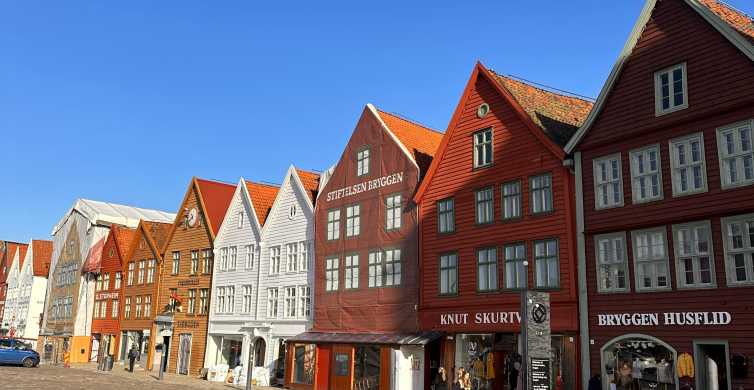
You can then begin your exploration by visiting Bryggen, the iconic Hanseatic wharf and a UNESCO World Heritage site. Wander through the colourful wooden buildings dating back to the 14th century, now housing shops, galleries, and museums showcasing Bergen’s maritime heritage.
Explore the Hanseatic Museum and Schøtstuene to learn about Bergen’s Hanseatic past, merchant life, and trade history in the region. Admire artifacts, reconstructed interiors, and views of Bryggen from historical buildings.
Cross the Vågen harbour on the Fløibanen funicular to Mount Fløyen for panoramic views of Bergen, surrounding fjords, and coastal landscapes. Enjoy hiking trails, a zipline adventure, or simply relax at the mountain’s café while taking in the scenery.
Descend back to Bryggen and explore Bergenhus Fortress, a medieval fortress with historic buildings, museums, and the iconic Rosenkrantz Tower. Visit the Haakon’s Hall and the Rosenkrantz Tower for insights into Bergen’s royal and military history.
For lunch, savour traditional Norwegian cuisine at a waterfront restaurant or seafood market. Sample dishes like fish soup, Bergen fish cakes, or fresh seafood platters showcasing local catches from the North Sea.
Locals Tip: If you have had your fill of traditional Norwegian cuisine and are looking for an alternative, we are happy to recommend the Siam Ratree Thai Restaurant for lunch or dinner. This place is not great on the frills, but from our experience, it certainly gets in right with the quality of the food it serves, which is tasty and authentic. We tried the Tom Yun soup and Pad Thai and were not disappointed. If you are keen to eat there in the evening, it would be best to book in advance. Pop your head in to book, as it is just 2 minutes around the corner from your hotel.
After lunch, visit the KODE Art Museums of Bergen, which comprises several buildings showcasing Norwegian and international art collections. Explore paintings, sculptures, and decorative arts from the Middle Ages to contemporary works.
Take a leisurely walk along Bryggen’s waterfront and explore nearby attractions such as the Fish Market (Fisketorget), known for its seafood stalls, local delicacies, and bustling atmosphere. Browse for souvenirs, crafts, and regional specialties.
Embark on a fjord cruise or boat tour from Bergen harbour to explore nearby fjords such as the Hardangerfjord or Osterfjord. Enjoy scenic views of waterfalls, cliffs, and picturesque villages nestled along the fjord shores.
Return to Bergen for a delightful evening at a cozy restaurant or brewery, enjoying Norwegian beers, aquavit, and gourmet Nordic cuisine. Indulge in dishes like reindeer stew, grilled salmon, or cloudberries with cream for dessert.
End your day with a stroll along Bryggen’s illuminated alleys, admiring the historic buildings bathed in soft light. Bergen’s blend of history, art, culinary delights, and fjord landscapes ensures a memorable day in Norway’s picturesque coastal city.
The Norsemen tour starts in Tromsø, which is located in northern Norway above the Arctic Circle and offers a unique blend of Arctic experiences, culture, and natural beauty. Our ‘Day in Tromsø’ blog is designed to give you some ideas if you come in early.
Start your exploration by visiting the Arctic Cathedral (Ishavskatedralen), a striking modernist church with a distinctive triangular shape and breathtaking views of Tromsø Sound. Explore the interior with its beautiful stained glass windows and serene atmosphere.
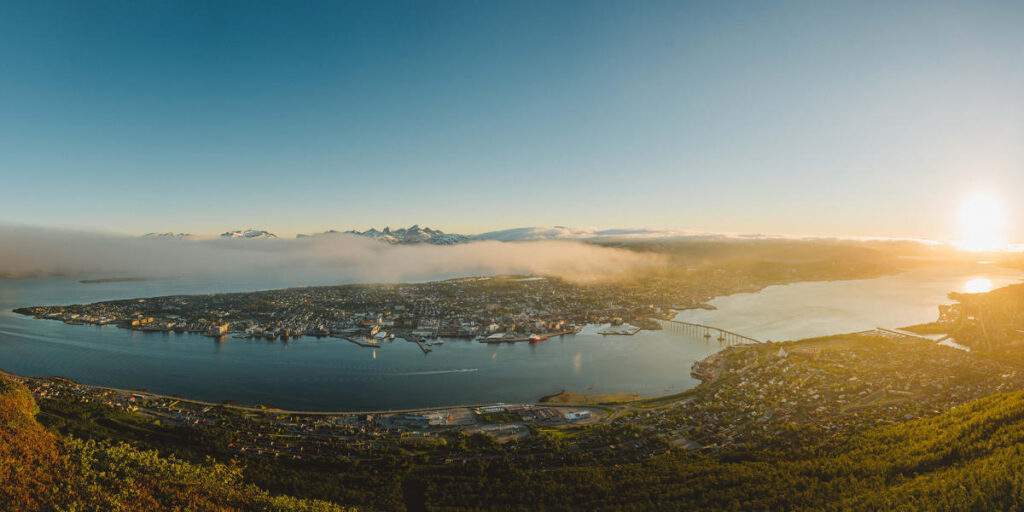
Next, head to the Tromsø Cable Car (Fjellheisen) for a scenic ride up Mount Storsteinen. Enjoy panoramic views of Tromsø, surrounding islands, and snow-capped mountains. Take a short hike at the top for even more stunning vistas and photo opportunities.
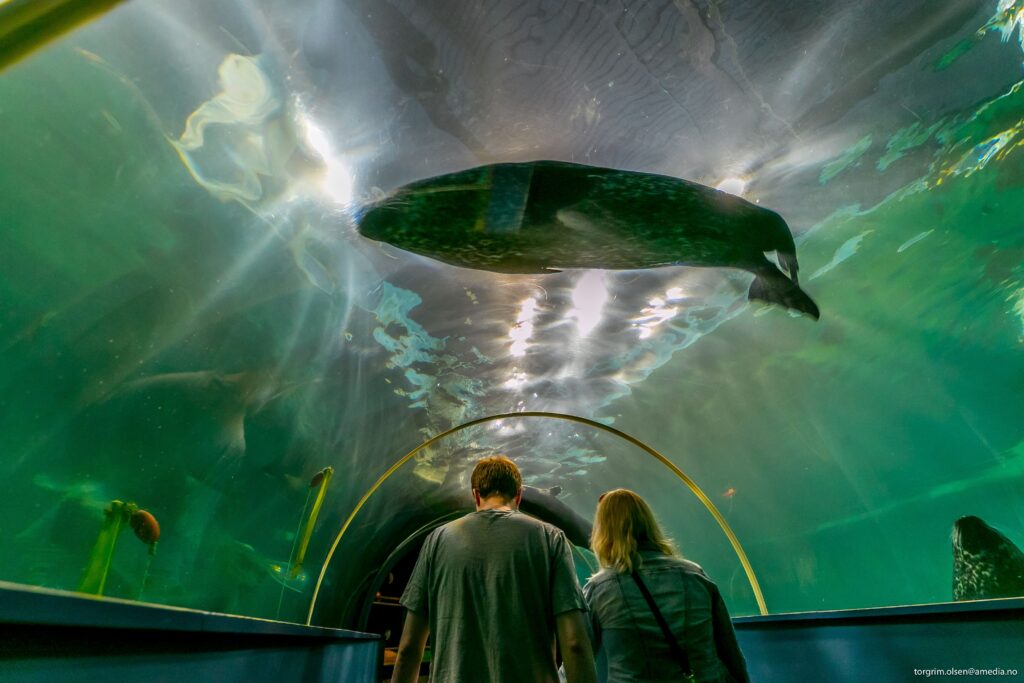
After descending, visit the Polaria Arctic Aquarium and experience Arctic marine life up close. Highlights include playful seals, Arctic fish, and interactive exhibits showcasing the region’s unique ecosystems.
For lunch, why not sample some of the local cuisine? Dishes like bacalao (dried and salted cod stew) or reindeer meat don’t get much more ‘local’.
In the afternoon, delve into Tromsø’s cultural heritage at the Tromsø Museum, focusing on Sami culture, Arctic exploration, and natural history. Don’t miss the Northern Lights Planetarium for immersive experiences of the Aurora Borealis.
Explore Tromsø’s charming city centre with its colourful wooden houses, lively markets, and boutique shops. Visit the Tromsø Domkirke (Tromsø Cathedral), a beautiful neo-Gothic church dating back to the 19th century.
As evening approaches, indulge in a delicious seafood dinner at one of Tromsø’s waterfront restaurants, featuring fresh fish, king crab, and local delicacies. Toast your day with a glass of Aquavit or Norwegian beer.
Wrap up your Tromsø experience with a visit to the Arctic Cathedral or one of Tromsø’s cozy pubs to enjoy live music, northern lights talks, or storytelling sessions about Sami culture and Arctic exploration.
Locals tip—Our favourite pub for a beer is the Rorbua pub, which is only a 5-minute walk from our hotel, Thon Hotel, Tromso. Apart from giving you a chance to get a photo with a stuffed polar bear, it has a good selection of beers and serves tasty pizza. Try sampling the Arctic beer if you are game to try the local tipple.
Take a twilight stroll along Tromsø’s waterfront or city streets, admiring the city lights and, if conditions are right, spotting the elusive Northern Lights. Tromsø’s blend of Arctic wonders, cultural heritage, and outdoor adventures ensures a memorable day in Norway’s far north.
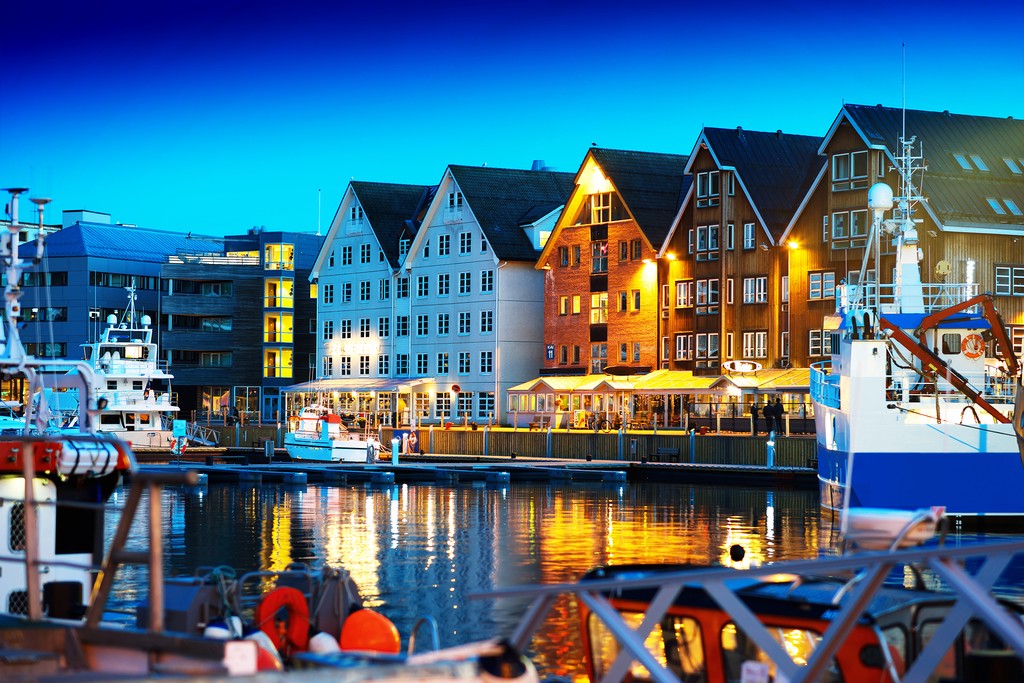
Night Tromso postcard backdrop background high defenition
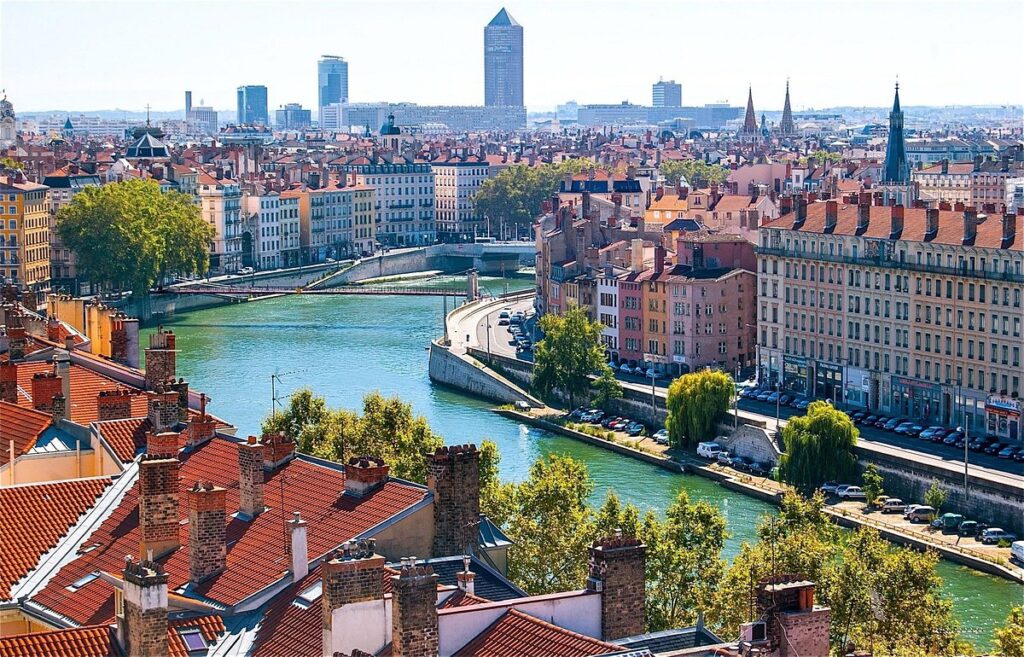
Lyon is the starting point for our Cro Magnon tour and is within easy driving distance of our base next to Mont Ventoux. We always enjoy a trip to Lyon as it provides a fantastic contrast to the rural life we normally lead. Famed for its live music and gastronomy, it is a great spot for a weekend away. On that basis, we recommend an early arrival to explore it before we head off. A ‘Day in Lyon’ promises a delightful journey through history, gastronomy, and culture.
Begin your Lyon exploration in Vieux Lyon (Old Lyon), a UNESCO World Heritage site renowned for its Renaissance architecture, cobblestone streets, and ‘traboules’ (hidden passageways). Visit the Cathédrale Saint-Jean-Baptiste and marvel at its stunning Gothic architecture and astronomical clock. Note that on the first day of our tour, we have a guided tour of the traboules on the agenda, but a sneak visit beforehand would set the scene.
Wander through the colourful ‘traboules’ of Vieux Lyon, discovering hidden courtyards, artisan workshops, and quaint boutiques selling local crafts. If you are partial to a good cocktail, we can recommend the Bar Le Florian. We had a team meet-up in Lyon last year, and this place was a lovely place to hang out. Next, cross the Saône River to Presqu’île, Lyon’s bustling peninsula between the Rhône and Saône rivers. Explore Place Bellecour, one of Europe’s largest squares, and admire the equestrian statue of Louis XIV.
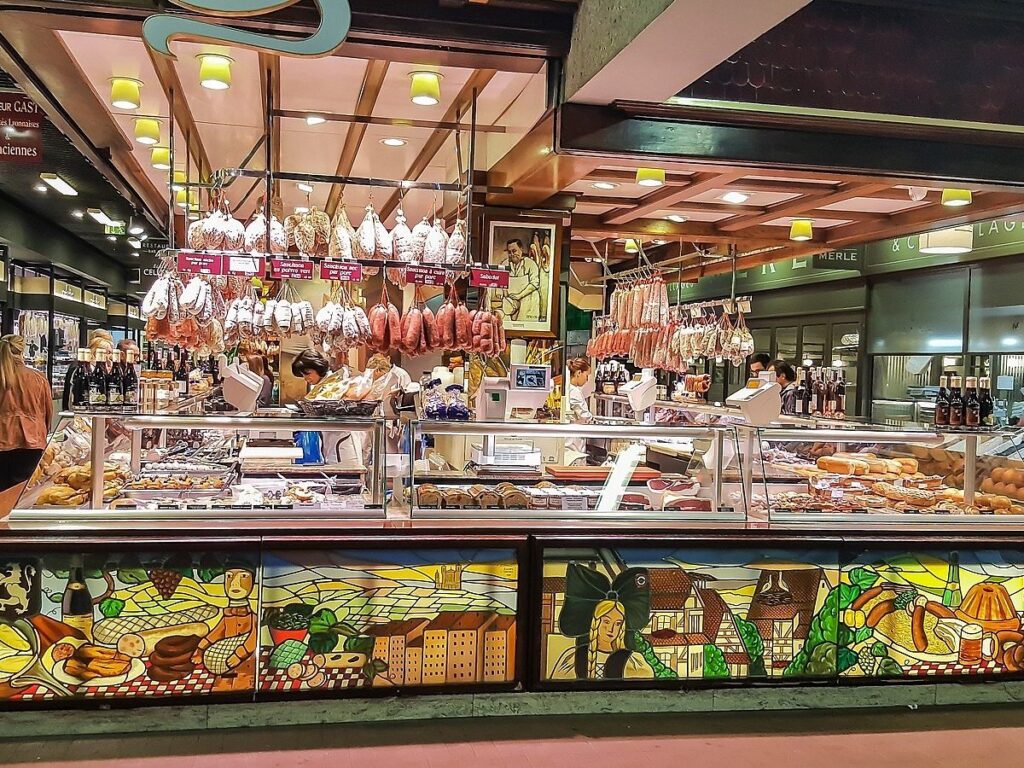
Indulge in a gastronomic adventure at Les Halles de Lyon-Paul Bocuse, a renowned covered food market where you can sample gourmet delights, cheeses, charcuterie, and pastries from local artisans. Lyon is lauded for its gastronomic heritage and this place embodies the essence of why that is the case.
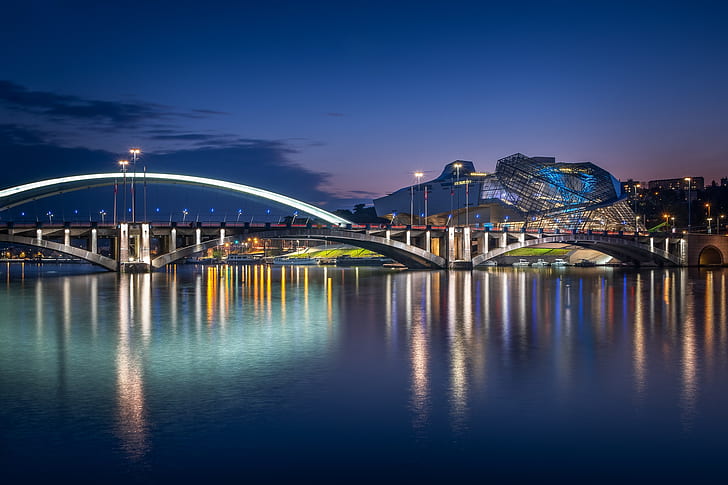
After lunch, stroll along the banks of the Rhône River or take a leisurely cruise to admire Lyon’s picturesque waterfront, including the iconic Fourvière Hill and Basilica of Notre-Dame de Fourvière, which are perched above the city.
Climb aboard the funicular or hike up Fourvière Hill for panoramic views of Lyon, its historic rooftops, and the confluence of the Rhône and Saône rivers. The hike up is strenuous, but consider it a good way of using muscles that might be ignored with 2 weeks of cycling ahead. Explore the Basilica of Notre-Dame de Fourvière, known for its ornate interiors and breathtaking mosaics.
Descend back to Presqu’île and visit the Musée des Beaux-Arts de Lyon, housed in a former Benedictine convent. Admire masterpieces by European artists, including works by Rembrandt, Rubens, and Monet. As evening approaches, venture to Lyon’s Croix-Rousse district, known for its silk industry heritage and bohemian atmosphere. Explore traboules, street art, and boutique shops showcasing local designers’ creations.
Indulge in Lyonnaise cuisine for dinner at a traditional ‘bouchon’, savoring specialties like quenelles, coq au vin, and cervelle de canut (a creamy cheese spread).
End your day with a leisurely walk along the illuminated banks of the Rhône or Saône, enjoying the city’s enchanting lights reflecting on the water. Lyon’s blend of history, culinary excellence, and artistic charm ensures a memorable day in this vibrant French city.
Following the tragic Ishikawa Earthquake that struck the Noto Peninsula on New Year’s Day, we have come to the conclusion that our Noto Peninsula & the Alps Itinerary has to change both for this year and likely for years to come. It is a decision we hoped not to have to take, but based on the feedback from our team on the ground and conversations with hoteliers with whom we work in the area, it is clear that the first part of the tour is not viable.
This article in the Japan Times gives a sense of the destruction that the earthquake has waged. Knowing how reliant the Noto Peninsula is on tourism, we had hoped to be part of the recovery by continuing to travel there and spend our money, but the damage has proven to be worse than first feared.
With tours booked to the area in both the spring and the fall, it left us with a conundrum that we believe we have solved by meshing together a tour we planned to launch in 2025 with the second part of the Noto tour where the damage was less significant. This hybrid tour doesn’t permit a big launch, but it does mean that we can still offer a great tour for those already signed up and for anyone still keen to travel to the area.
The new tour will visit a different Peninsula that we are very much looking forward to exploring with you – the Kii Peninsula – which is highlighted below with Wakayama, the start point of a ride that intersects with the enchanting Kumano Kodo Pilgrimage that is considered to be the spiritual heartland of Japan.
We describe the Kii Peninsula below, and the new itinerary is also covered. The plan is to ride the first part of the tour around the Kii Peninsula, taking in the most picturesque parts of the coastline and visiting the shrines of the Kumano Kodo. We finish this leg in the sacred destination of Ise, which also happens to be home to our favourite brewery that serves beer and oysters!
The second part gives the riders a chance to experience the Japanese rail system whilst the vehicles transfer the bikes to Shirakawago in the Japanese Alps, where we rejoin the original Noto itinerary and ride to Gifu for a final dinner taking in the ancient art of cormorant fishing. It is a stunning 11-day journey that isn’t just a ride; it’s a passage through time, a communion with nature and an exploration of ancient lands.
We really hoped to maintain the original itinerary, but circumstances make that impossible. The ‘new’ tour that meshes a new tour with parts of the existing itinerary is a solution we are proud of and look forward to riding in the future. Hopefully, we’ll be able to add the Noto Peninsula to it once the repairs have been done. The new tour is graded the same as a 3-cup tour, and the logistics for getting to and from the tour remain the same.
The ‘NEW’ Itinerary
Day 1: Meet and Greet at Kansai Nikko Hotel at Kansai Airport. We build bikes here and leave any bike cases here before heading out for a welcome dinner and presentation of the tour.
Day 2: Cycle to Wakayama City. There is no big transfer as per previous editions of the original itinerary, as the Kii Peninsula is to the south of Osaka, and Wakayama is in the Kansai prefecture. So, for this itinerary, we are straight on the bikes for a gentle ride to the historic city of Wakayama, which also serves as the starting point for many of the pilgrims on the Kumano Pilgrimage.
Day 3: Cycling to Kii-Tanabe and Exploring the Area
Embark on your cycling journey to Kii-Tanabe. Along the way, enjoy the coastal views and visit local attractions. Once in Kii-Tanabe, learn about the Kumano Kodo, the sister pilgrimage of the Camino. This region serves as a gateway to the ancient pilgrimage routes.
Day 4: Journey to Kumano Hongu Taisha and the Nakahechi Route
Ride towards the spiritual heart of the pilgrimage, Kumano Hongu Taisha, passing through traditional villages and scenic landscapes. After visiting the shrine, explore parts of the Nakahechi route, known for its historic paths and lush surroundings.
Day 5: Coastal Ride, Shingu City, and Nachi Falls
Continue your journey along the coastline to Shingu City. Visit the revered Kumano Hayatama Taisha and then proceed to Nachi Falls, a spectacular natural wonder with a sacred shrine nearby. This area beautifully represents the blend of natural beauty and spiritual significance in the Kumano Kodo.
Day 6: Final Stretch to Ise and the Grand Ise Shrine
Conclude your ride through the Kii Peninsula with your arrival in Ise, home to the Grand Ise Shrine, one of the holiest Shinto shrines in Japan. A fitting first 1/2 of the tour that blends physical challenges with spiritual and cultural discovery. There is an optional visit to our favourite Japanese Brewery – Ise Kadoya – as well.
Day 7: Ise to Shirakawago
Transfer into the Alps to explore the World Heritage Thatched Roof Village and enjoy our riverside Ryokan with beautiful outdoor hot springs. This is the transfer day, when the riders will go by train and the bikes and vehicles by road. We all meet in Shirakawago and join the original Noto itinerary
Day 8: Cycle from Shirakawago to Takayama
Today, you’ll embark on a scenic ride from the picturesque village of Shirakawago to Takayama. This route winds through the heart of the Japanese Alps, offering breathtaking views and a chance to immerse yourself in the serene beauty of the mountains. Upon arrival in Takayama, explore its well-preserved old town, known for its beautiful architecture and local artisan shops. In the evening, enjoy the sake tasting in our hotel before trying out the local cuisine, it is known for its Hida beef.
Day 9: Takayama to Gujo
After breakfast, set off from Takayama, cycling through the charming rural landscapes of central Japan. Today’s journey takes you to Gujo, a town famous for its pristine waterways and traditional dances. Spend the afternoon exploring Gujo’s historic streets and unique cultural heritage. Traditional industries like sake brewing and food replicas offer an authentic Japanese experience. Our hotel is positioned directly below one of Japan’s most well-appointed castles, with 300-degree views down all the mountain valleys.
Day 10: Gujo to Gifu
The ride from Gujo to Gifu takes you through the tranquil countryside, along streams and rivers with crystal clear water. Gifu is known for its historic significance and natural beauty, including the stunning Nagara River and the traditional cormorant fishing. Explore Gifu’s rich history, perhaps visiting Gifu Castle or walking along the river in the evening after our celebratory dinner to witness the centuries old cormorant fishing method.
Day 11: After Breakfast, Return to Kansai Airport or Rest Day in Kyoto
On the final day, you can return to Kansai Airport for your journey home or enjoy a rest day in the historic city of Kyoto.
Tour Highlights from the Kii Peninsula
Wakayama’s Historical Charm: Begin your adventure in Wakayama, a city steeped in history and home to majestic castles and serene shrines. Immerse yourself in the vibrant local culture before setting out on your cycling expedition.
Kumano Kodo Pilgrimage Trail: As you pedal through the Kii Peninsula, you’ll trace the footsteps of ancient pilgrims on the renowned Kumano Kodo. Marvel at towering cedar trees, charming villages, and sacred shrines hidden within the mystical forests.
Scenic Coastal Routes: Cycle along the Pacific coast, where the rhythmic sound of crashing waves accompanies you. Enjoy panoramic views of rugged cliffs, sandy beaches, and the expansive blue ocean – a truly mesmerizing backdrop for your journey.
Hot Springs Oasis: Rejuvenate your body and soul in traditional Japanese hot springs, or “onsen,” scattered along your route. Relax in the therapeutic waters, surrounded by nature’s beauty, and indulge in the serene ambience of these hidden gems.
Culinary Delights: Savor the flavours of local cuisine as you traverse charming towns and villages. From fresh seafood to regional specialties, each meal is a culinary adventure that complements your cycling experience.
Ise Grand Shrine: Conclude your journey in Ise, home to the revered Ise Grand Shrine. This spiritual oasis is a testament to Japan’s ancient Shinto traditions.
Once in the Japanese Alps, traverse untouched landscapes and meander through towns and temples that have stood still in time for over four centuries.
The Kii Peninsula
The Kii Peninsula, situated in the Wakayama Prefecture of Japan, is a captivating region renowned for its rich cultural heritage, lush landscapes, and the spiritual Kumano Kodo pilgrimage routes. Cyclists exploring the Kii Peninsula are treated to a diverse terrain that encompasses coastal roads, dense forests, and mountainous trails. The winding paths offer a unique cycling experience, allowing riders to absorb the serene beauty of the peninsula while traversing through ancient pilgrimage routes.
At the heart of Kii Peninsula’s cultural tapestry is the Kumano Kodo, a network of pilgrimage trails leading to the sacred Kumano Sanzan shrines. These trails, deeply embedded in Shinto and Buddhist traditions, beckon both pilgrims and cyclists alike. The Nakahechi route, starting from Tanabe City, is a popular choice, taking riders through picturesque landscapes and quaint villages.
Cycling along the Kumano Kodo provides a profound connection with nature and spirituality. The journey allows cyclists to visit sacred sites, appreciate the tranquillity of moss-covered stone paths, and witness the fusion of religious traditions with the natural surroundings. The Kii Peninsula, with its cycling-friendly routes and spiritual allure, presents a harmonious blend of physical activity, cultural exploration, and contemplation amid the serene beauty of Japan’s historic landscape.
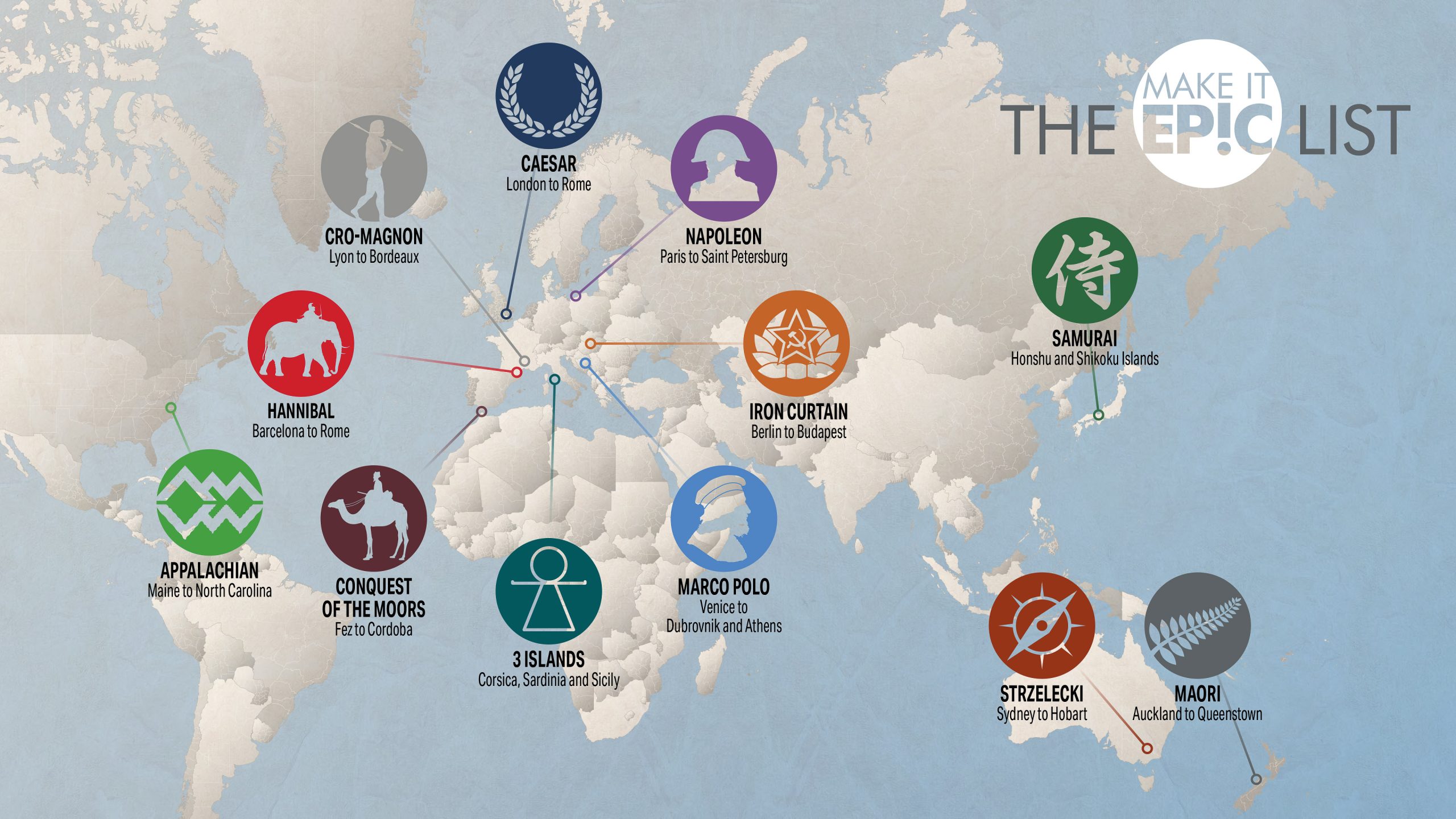

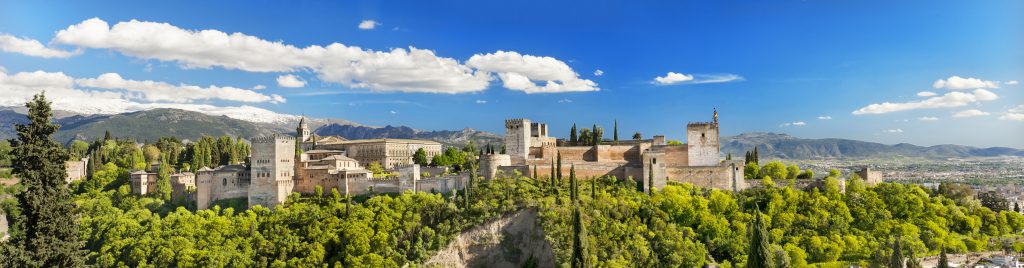
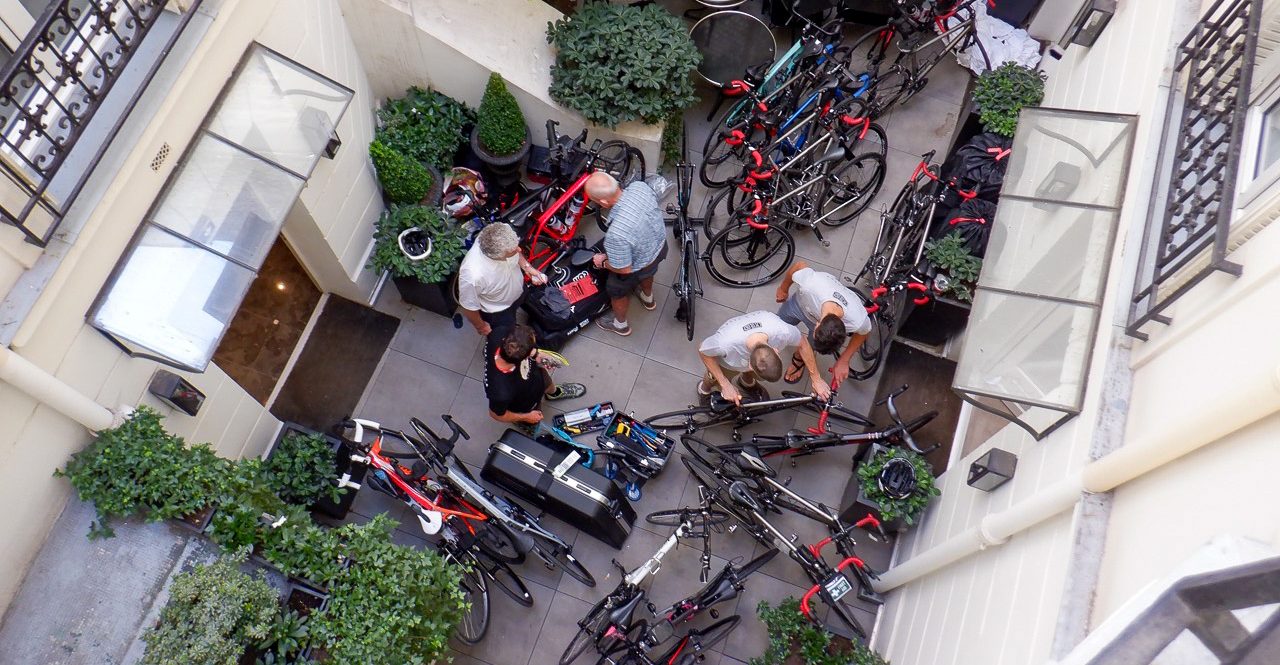
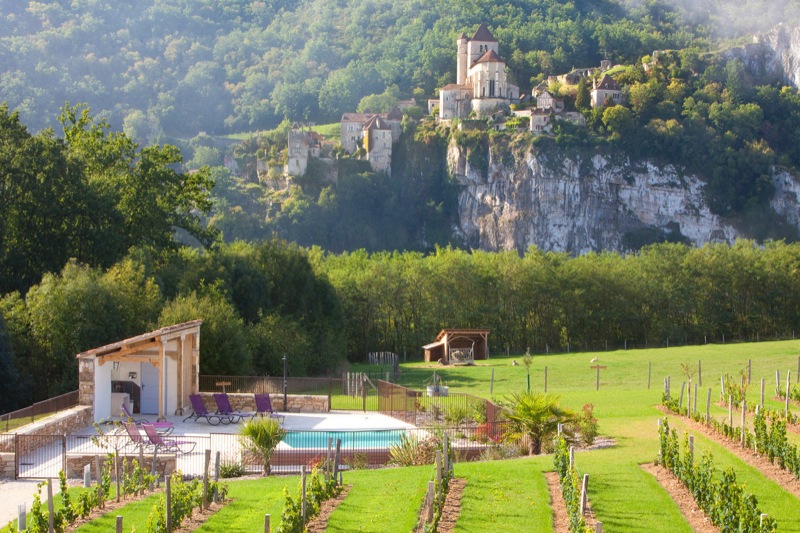
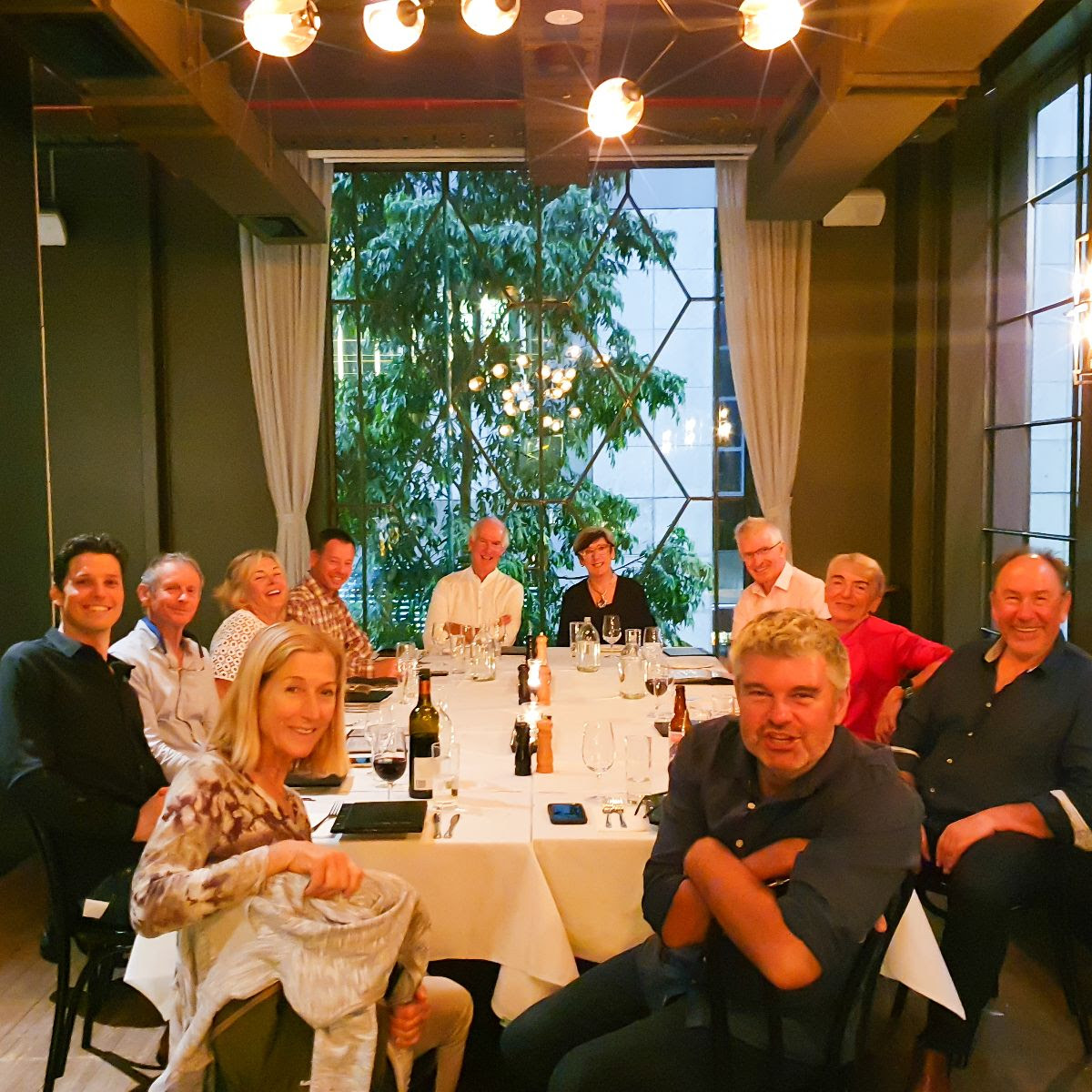
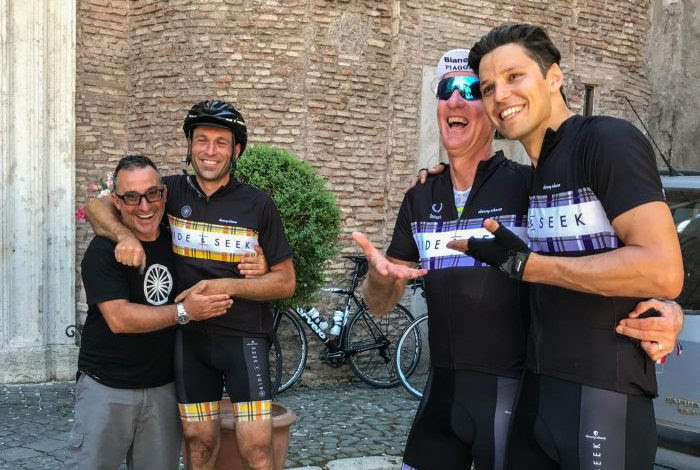
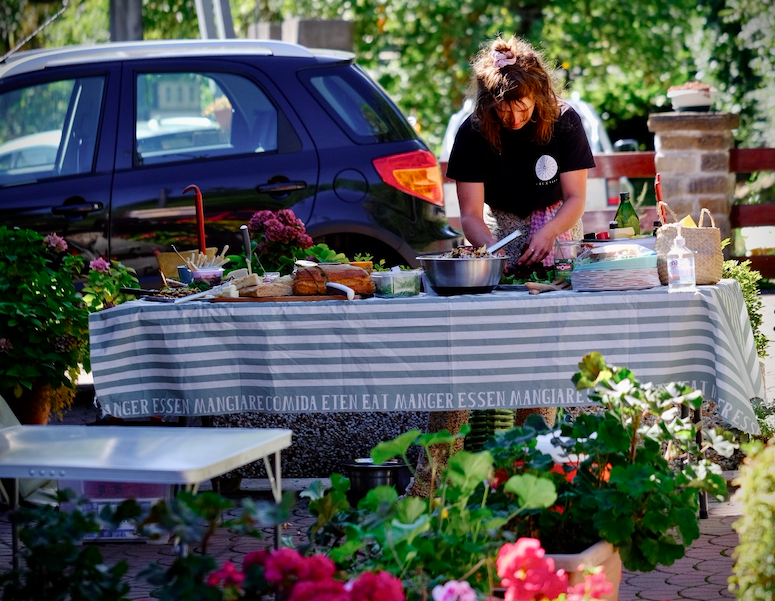
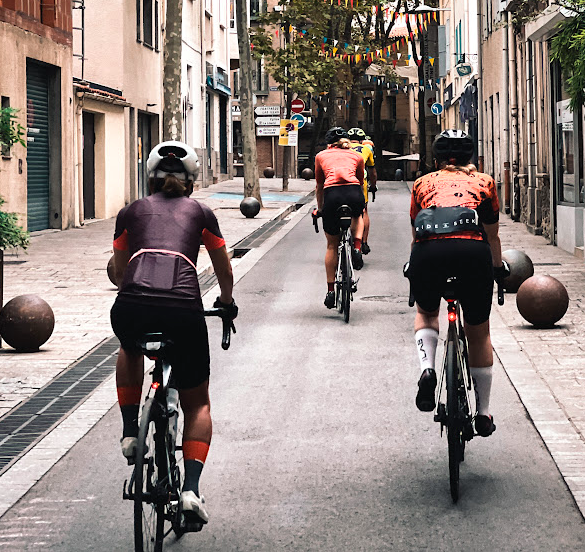
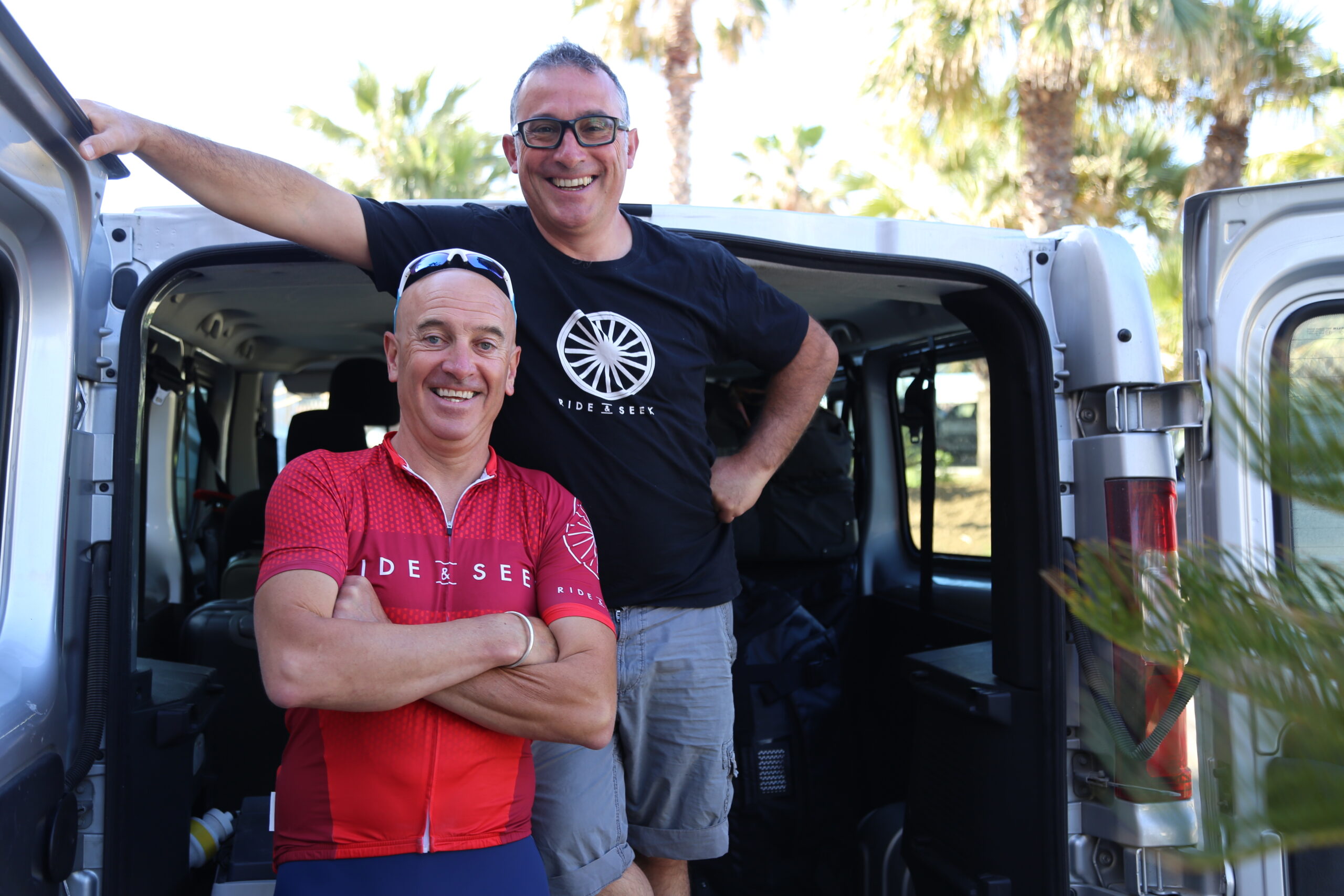
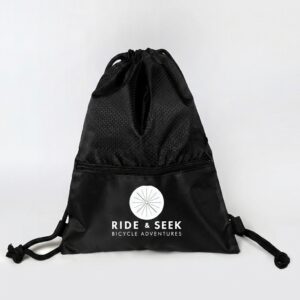
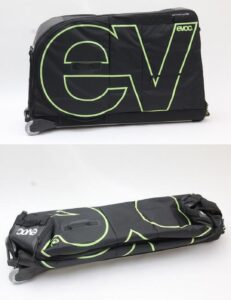
 And don’t overlook the classic cardboard bike box, folks! These old-school champions are still a fantastic option if you know how to pack your bike properly. The humble cardboard box has been protecting bikes in transit for decades, and for good reason – they’re lightweight, surprisingly sturdy, and get the job done without fancy features or hefty price tags. Plus, they score major points in the sustainability department!
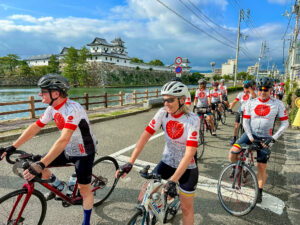 On our tours in Japan, we store bike bags and boxes at the airport hotel during the tour. So we have fewer sizing restrictions, as they do not need to fit in the vans.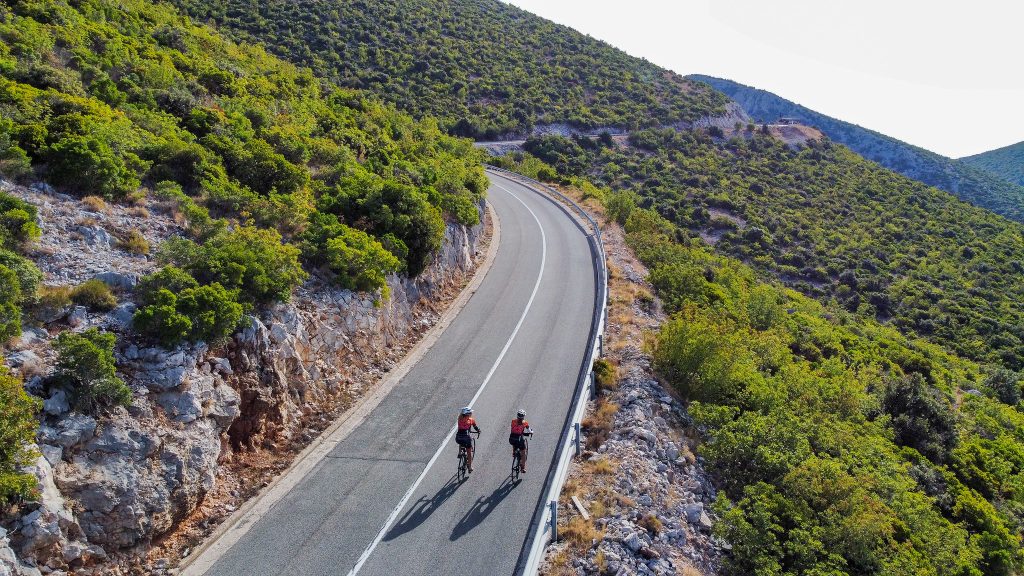
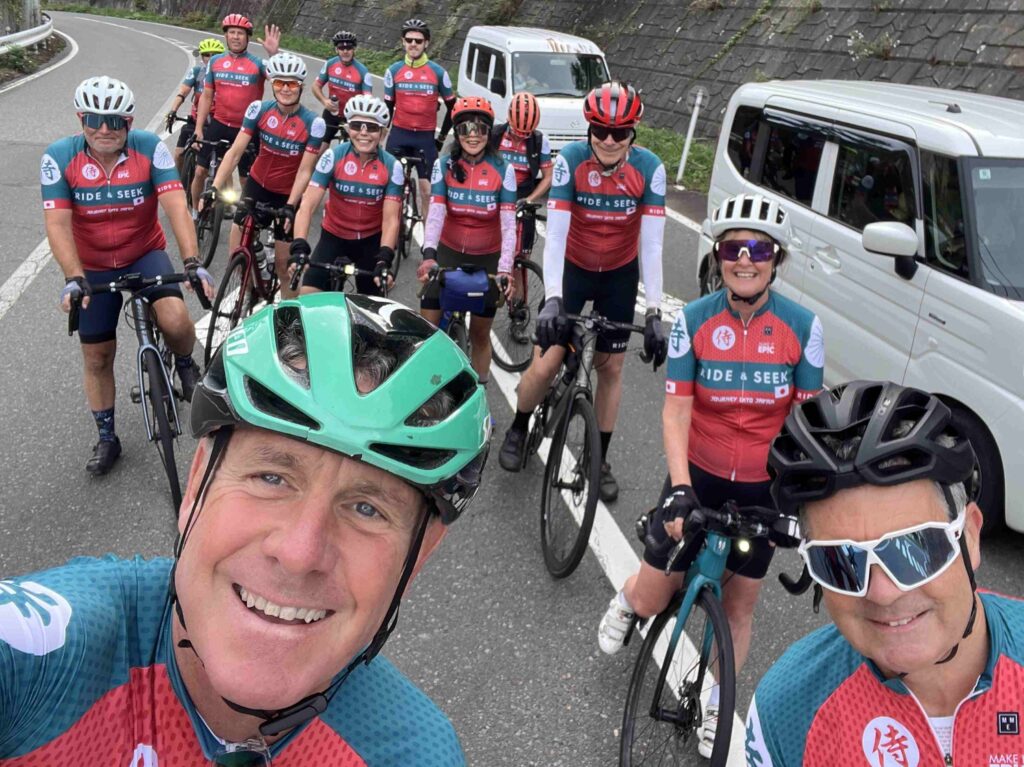
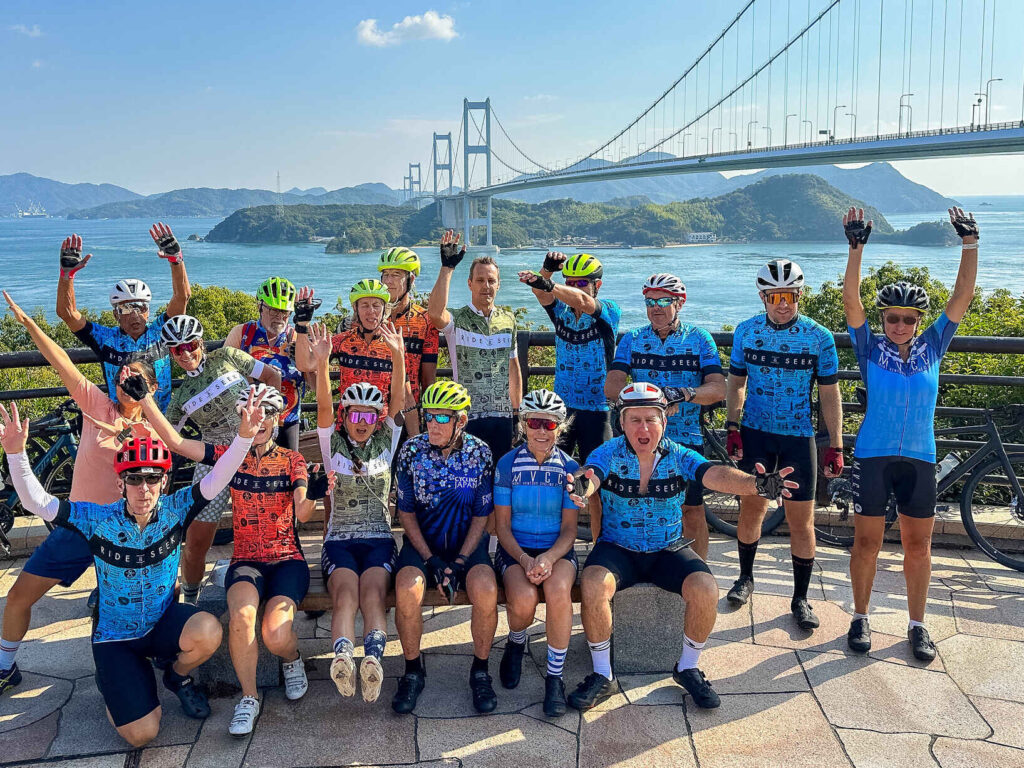
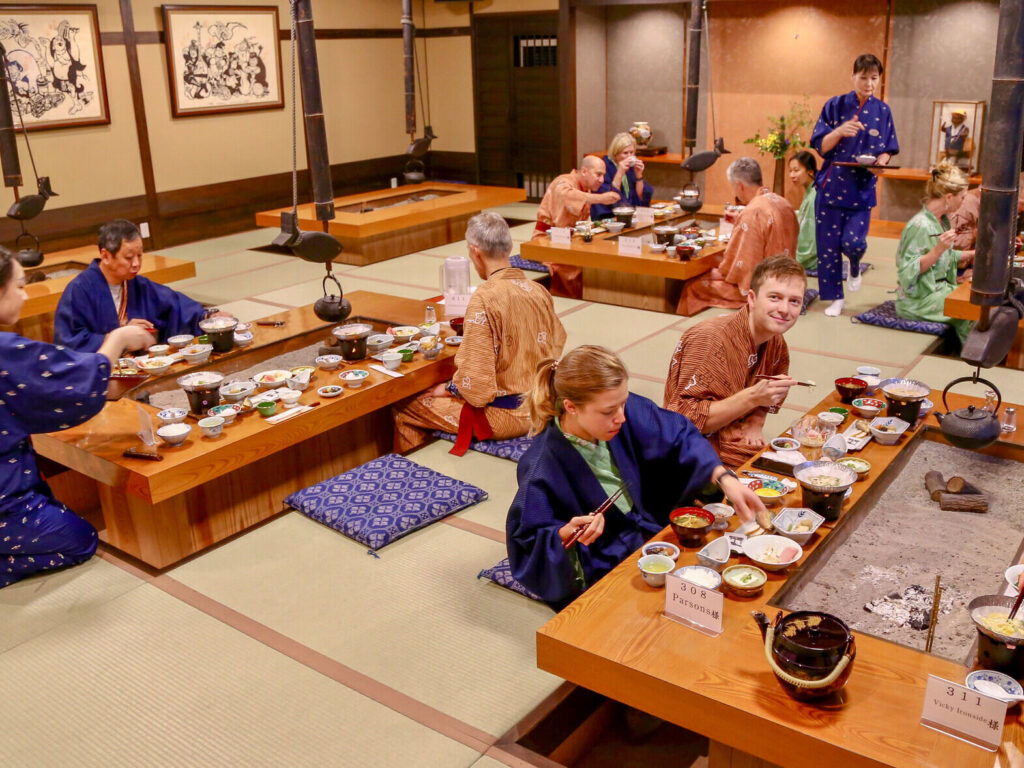
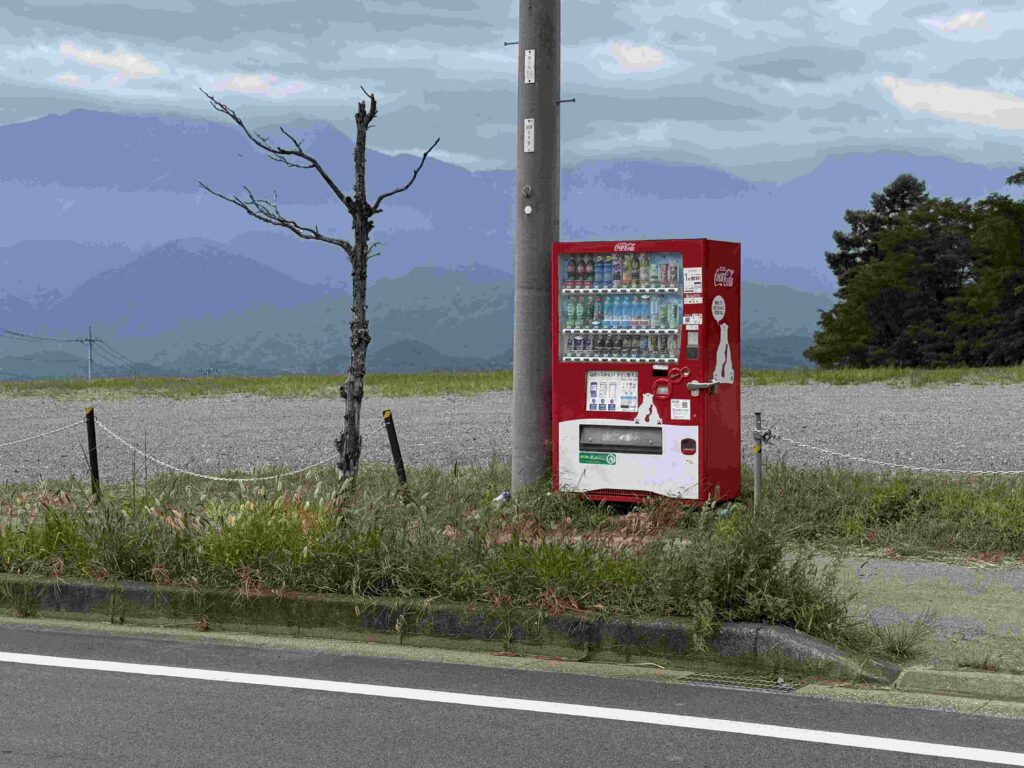
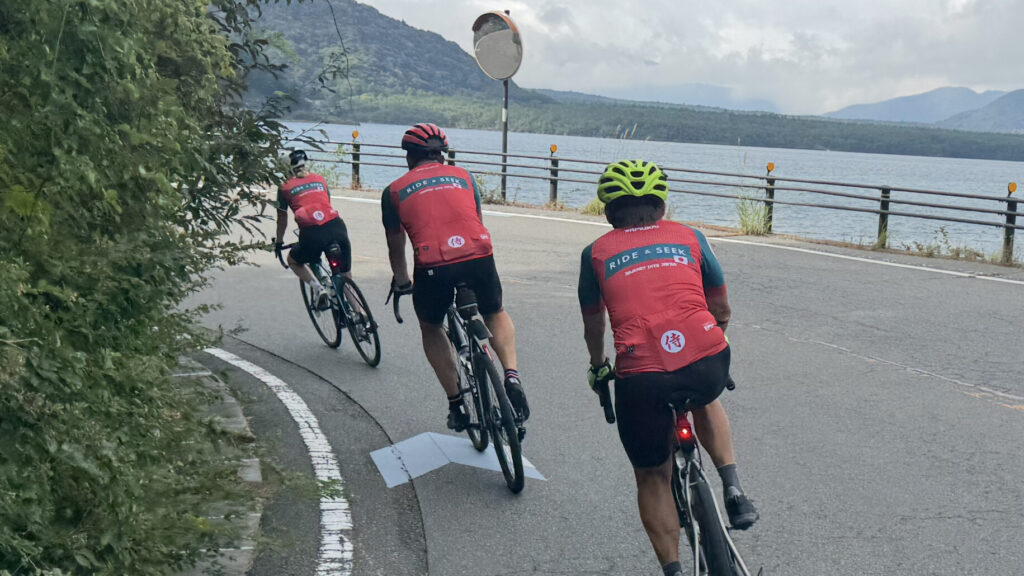
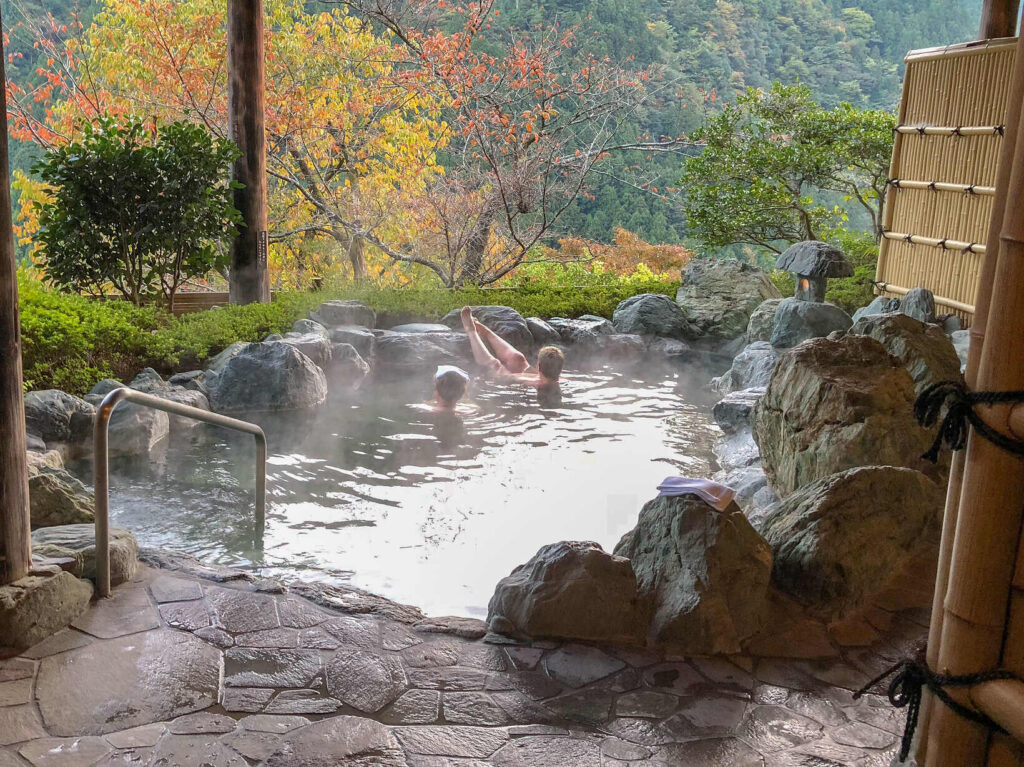


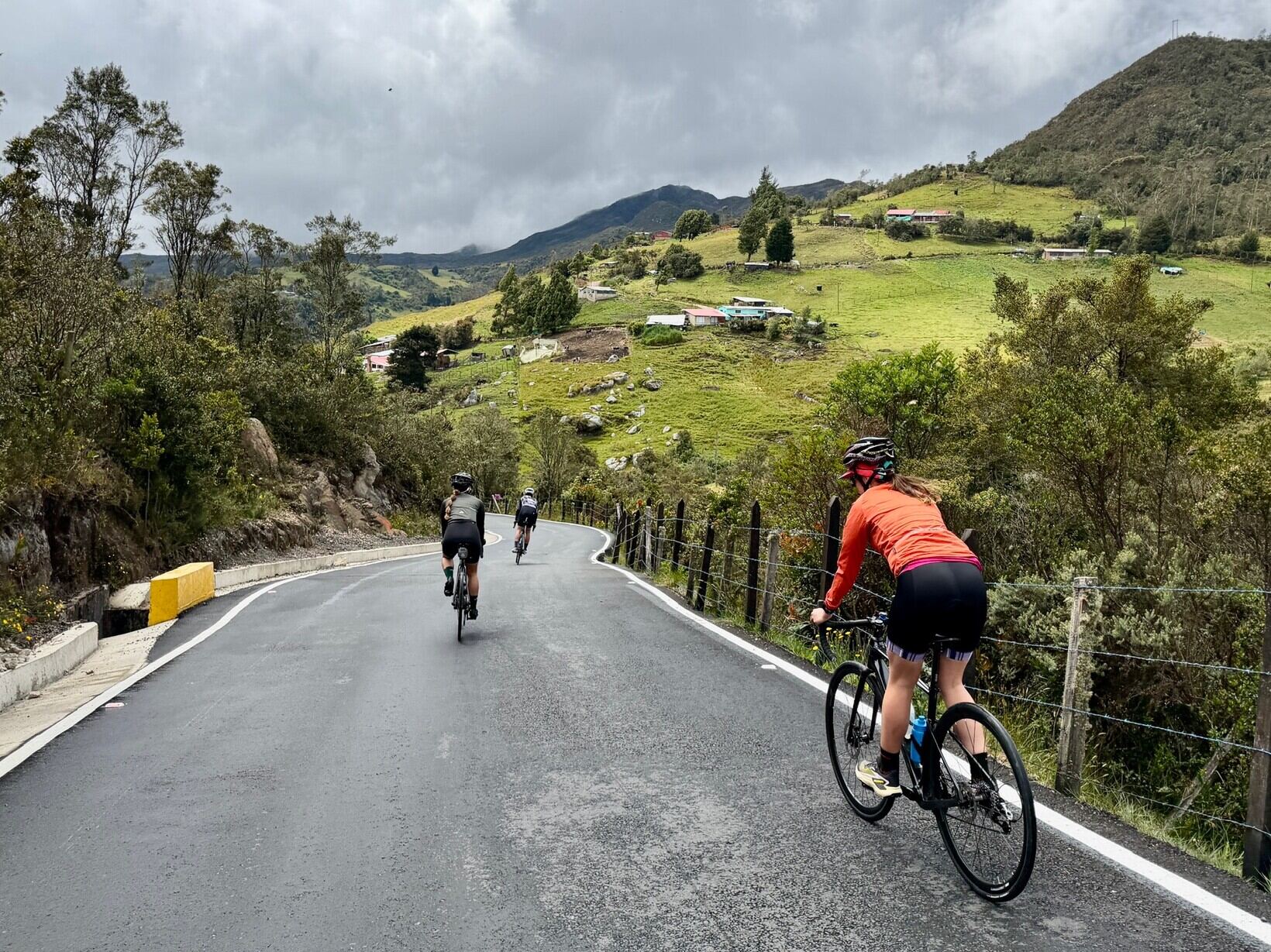
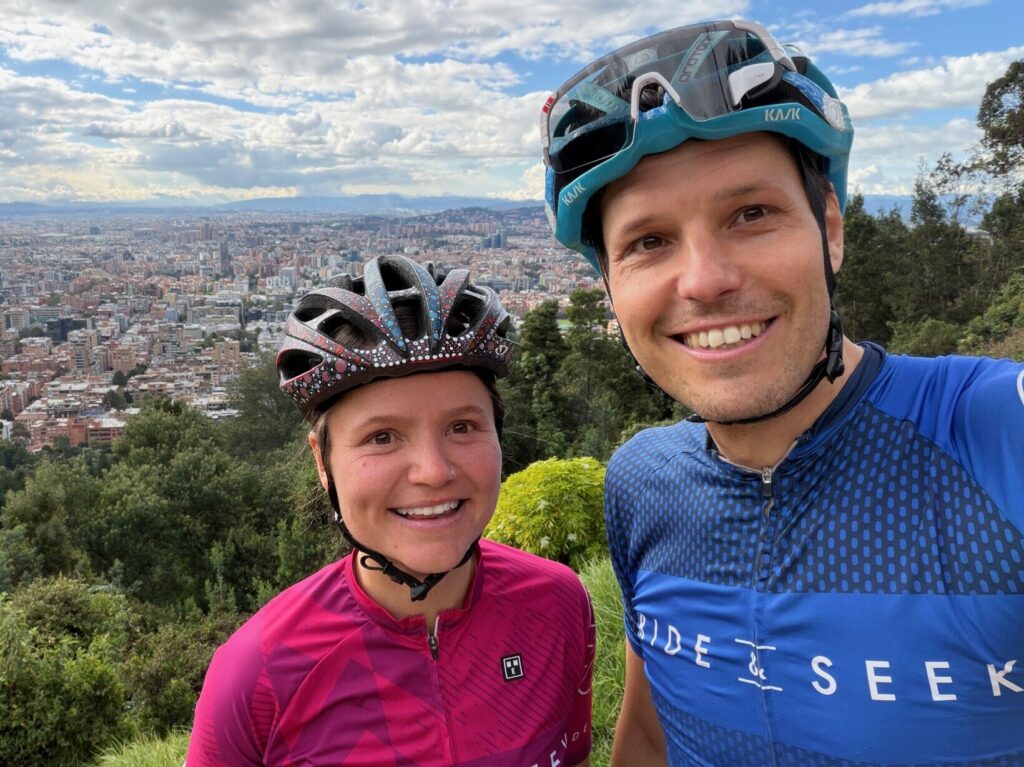
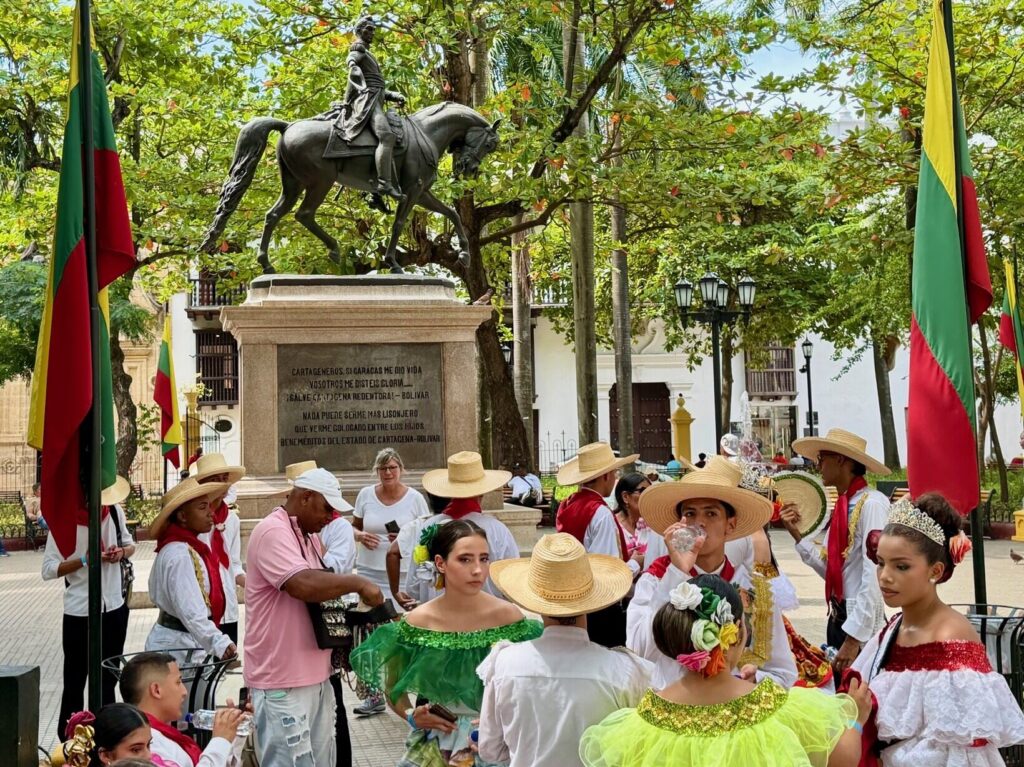
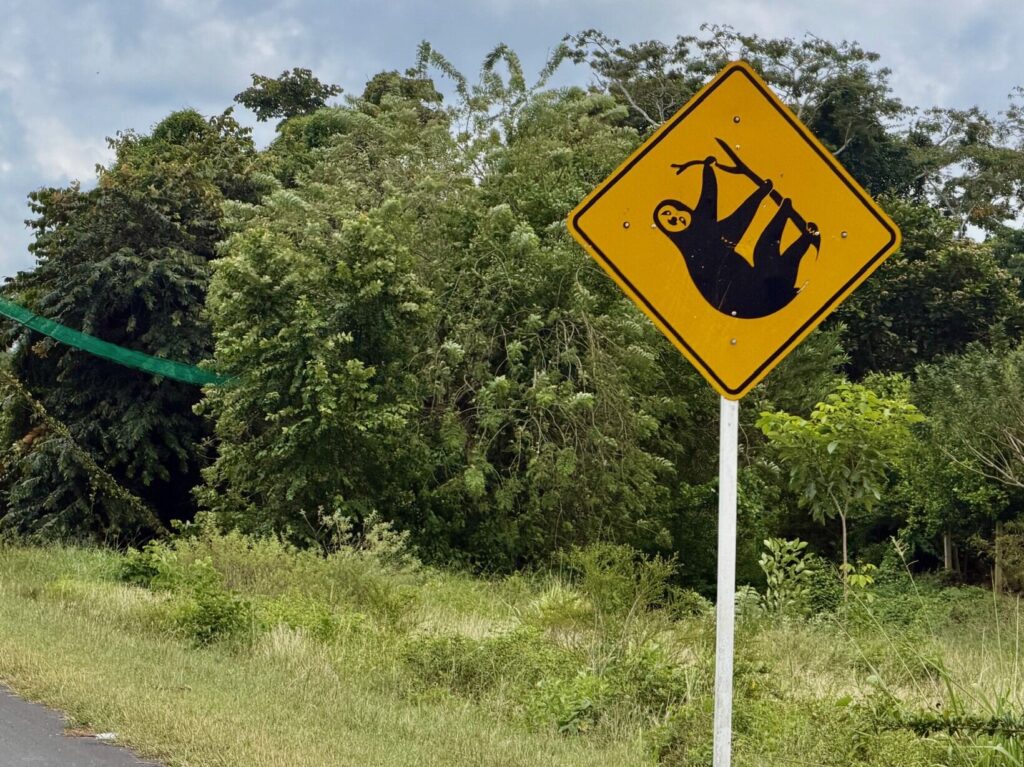
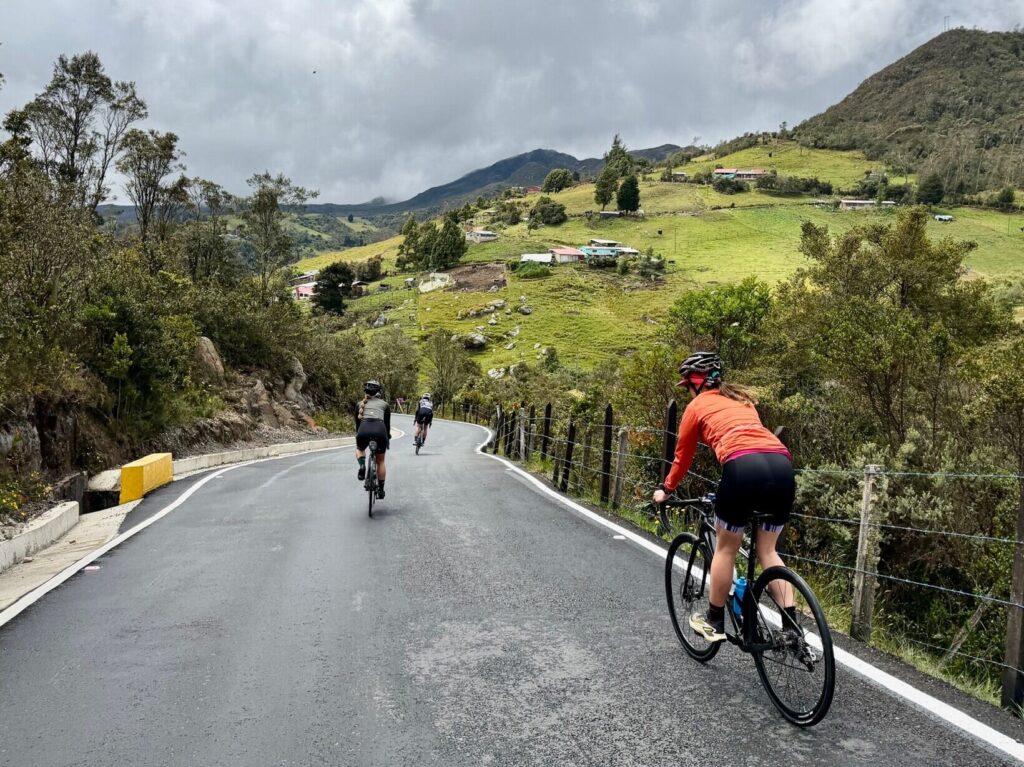
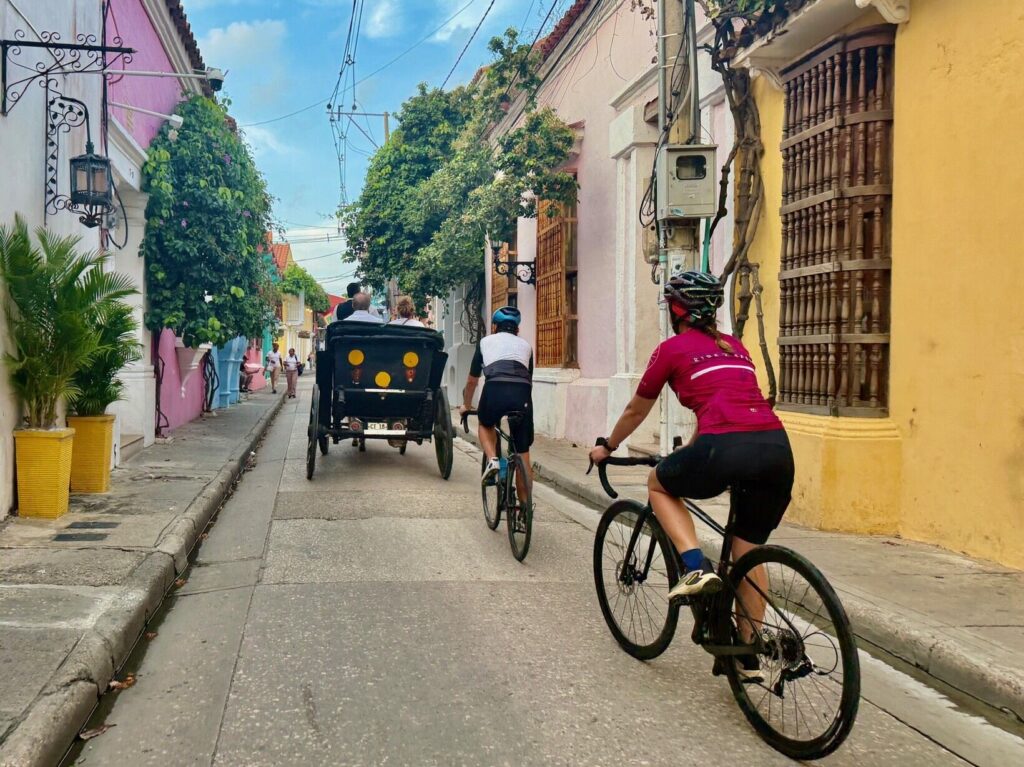
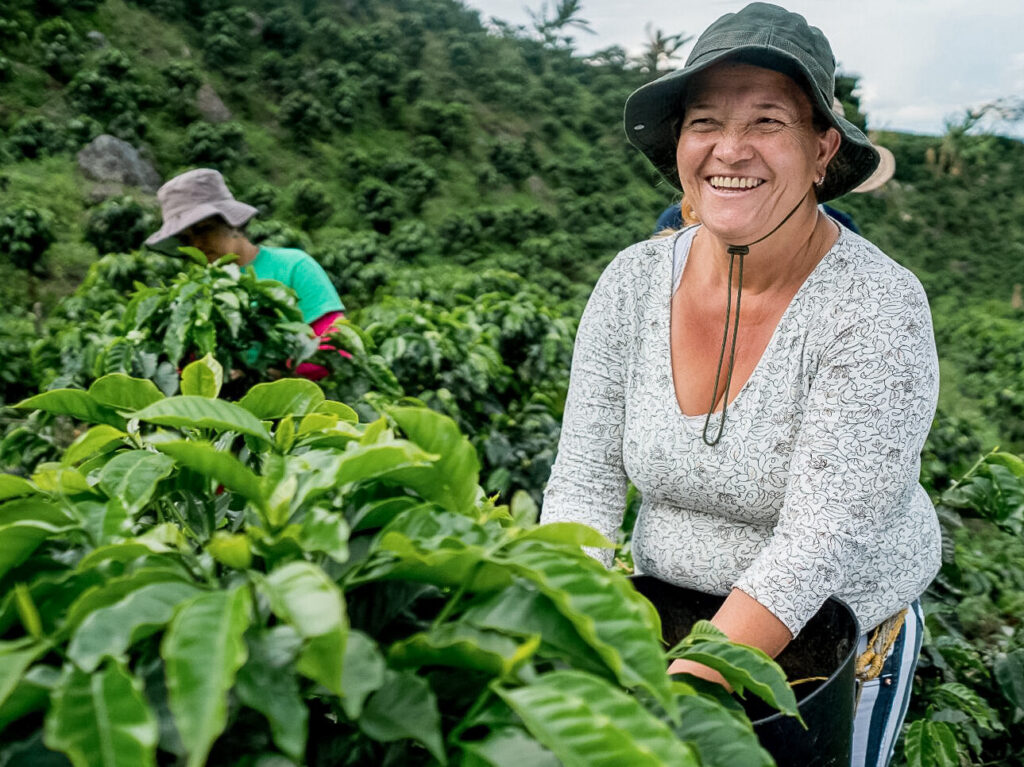
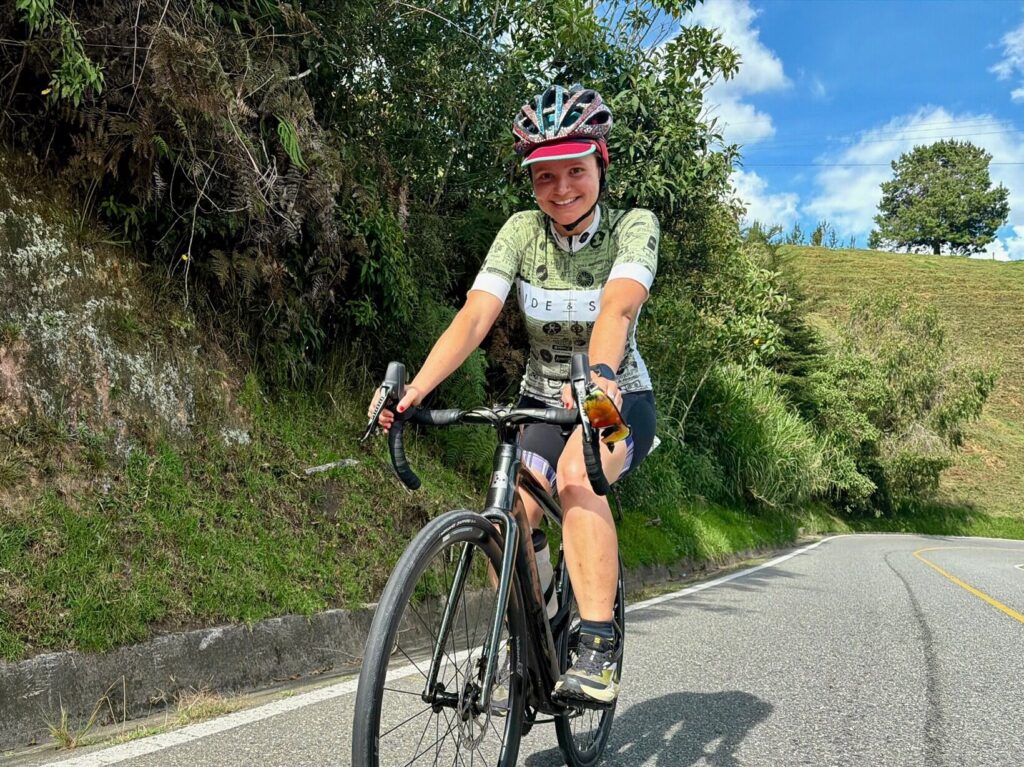
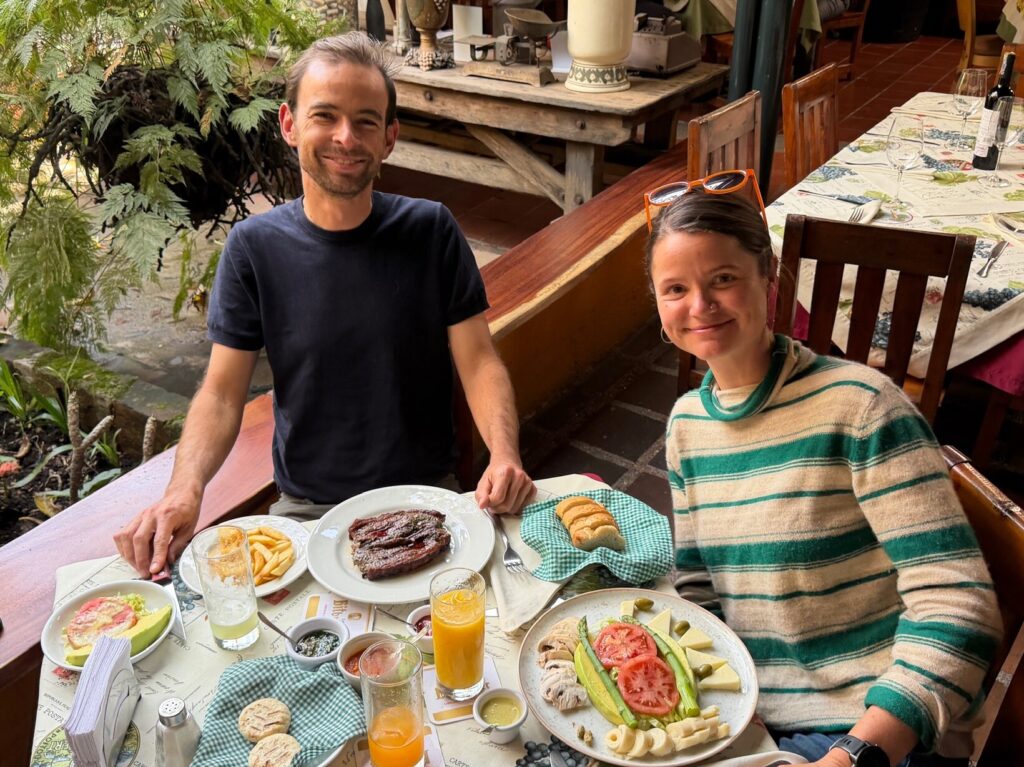
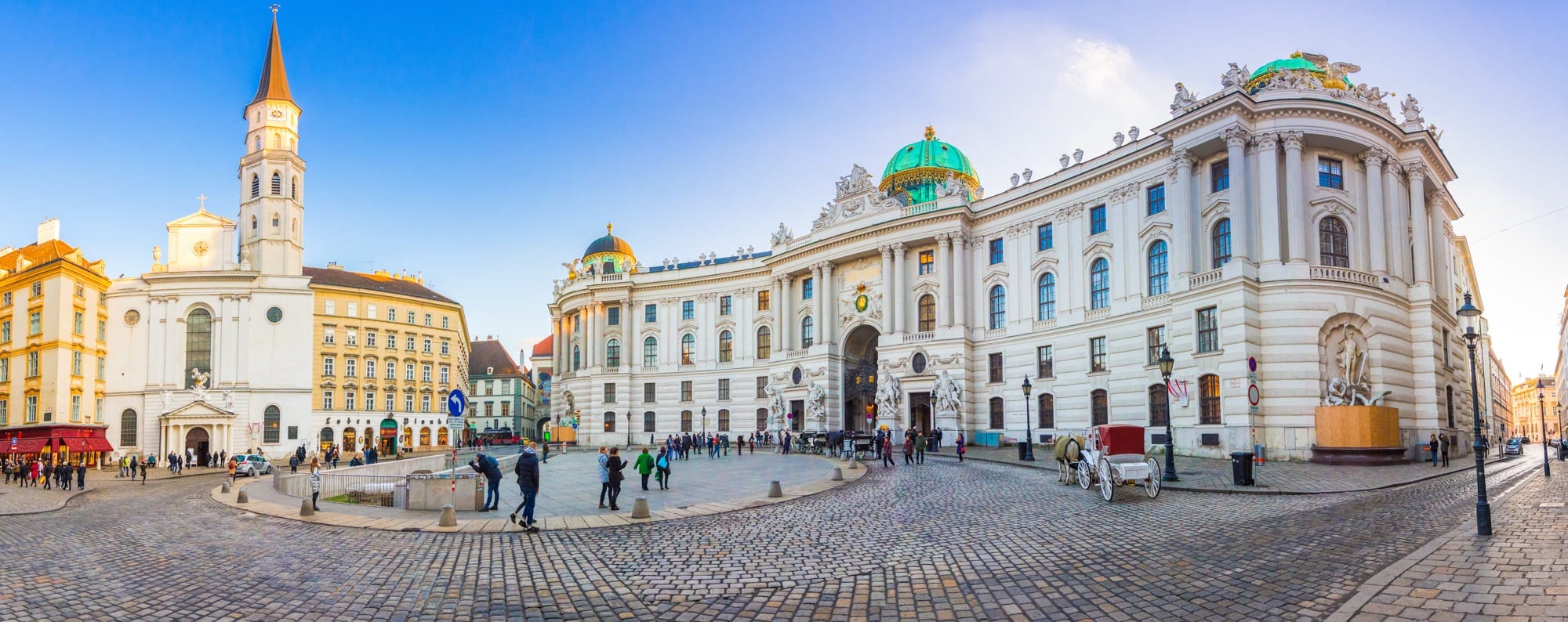
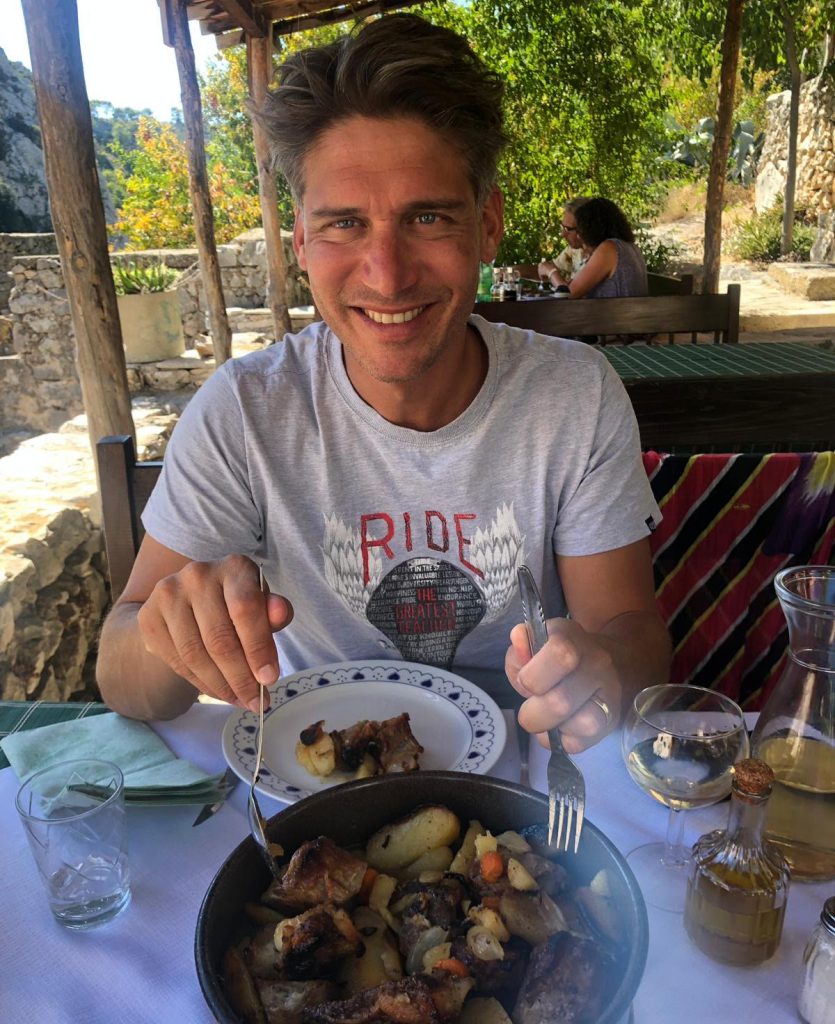
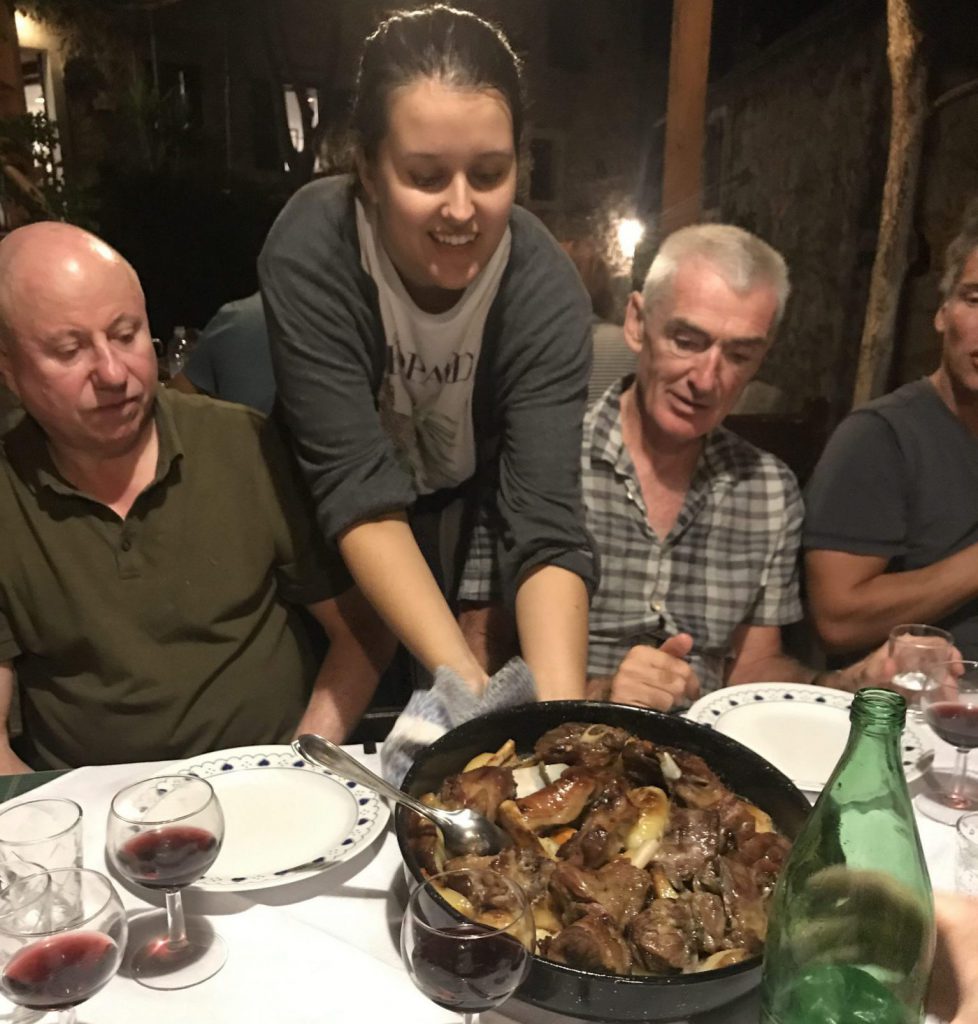
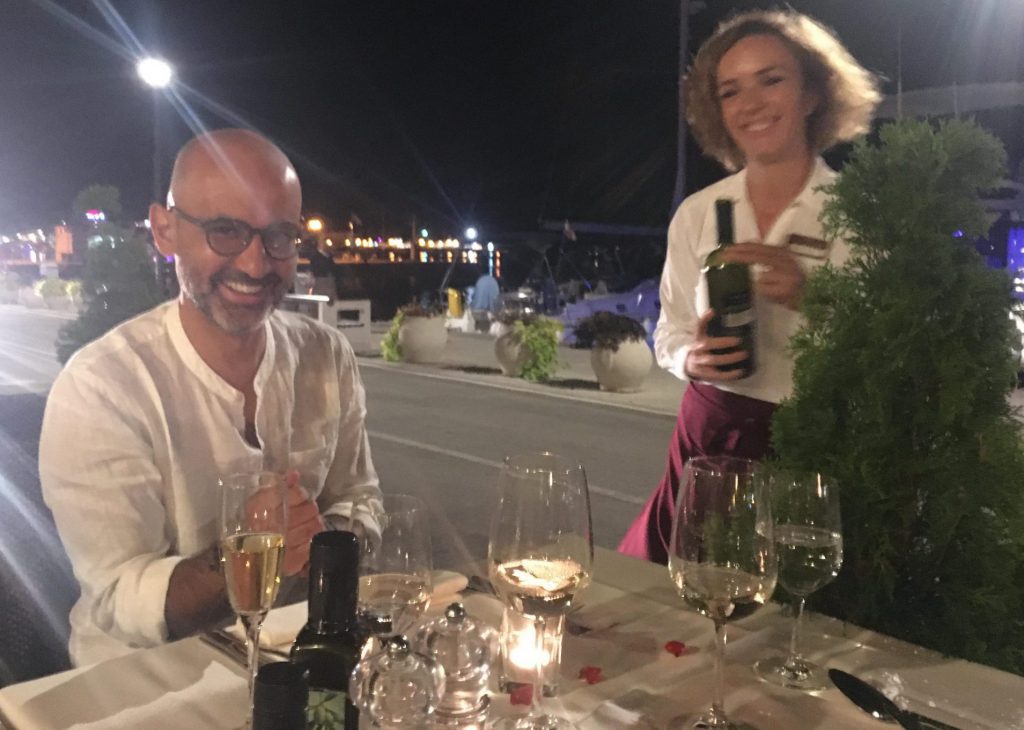
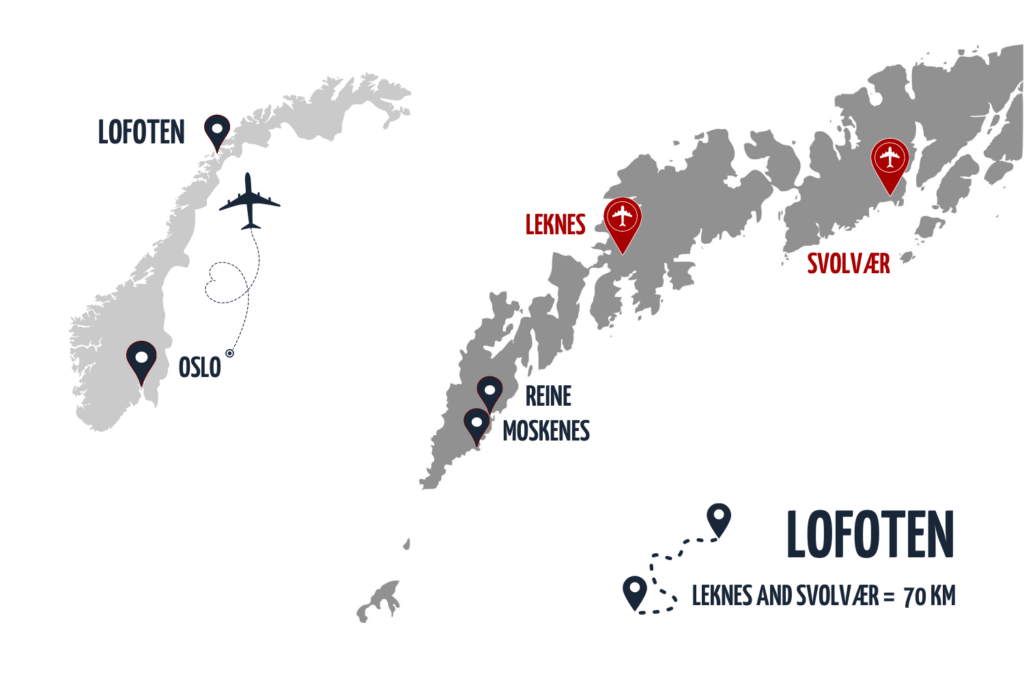
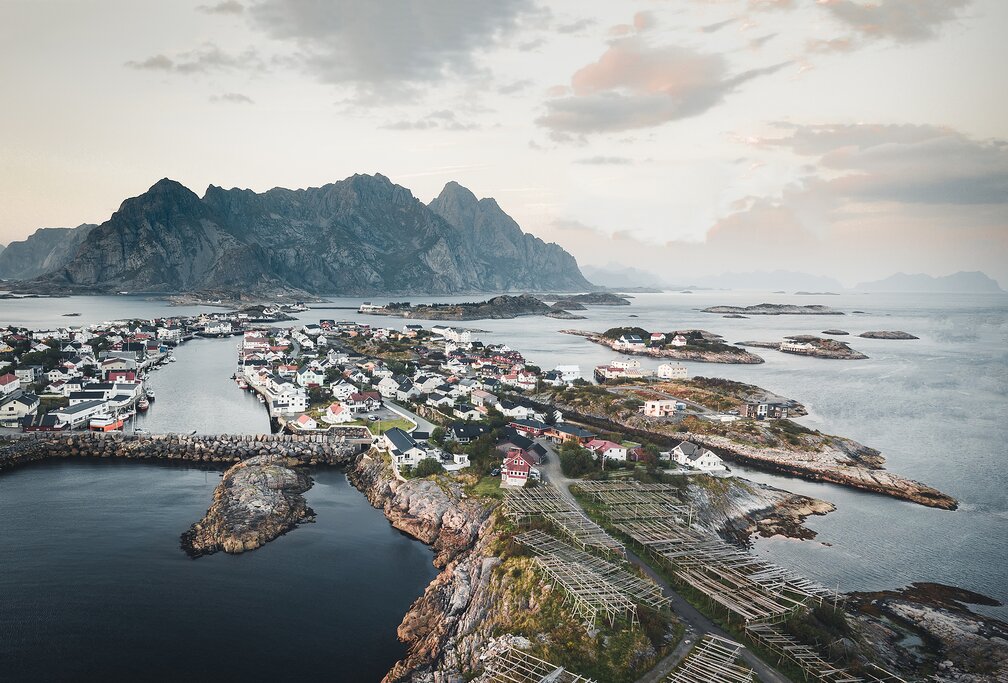
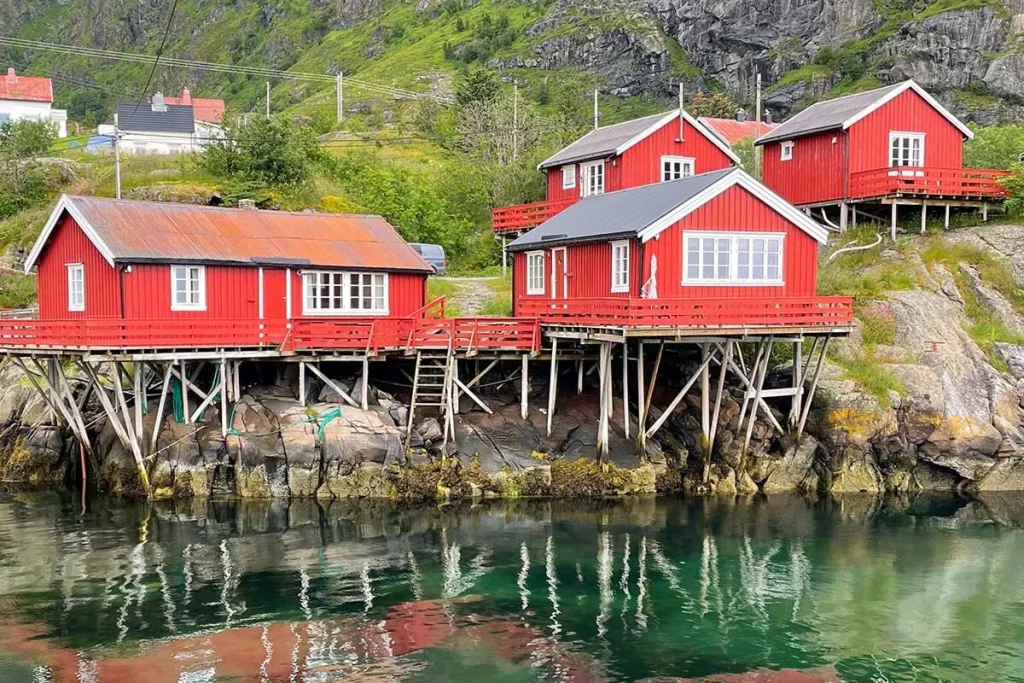
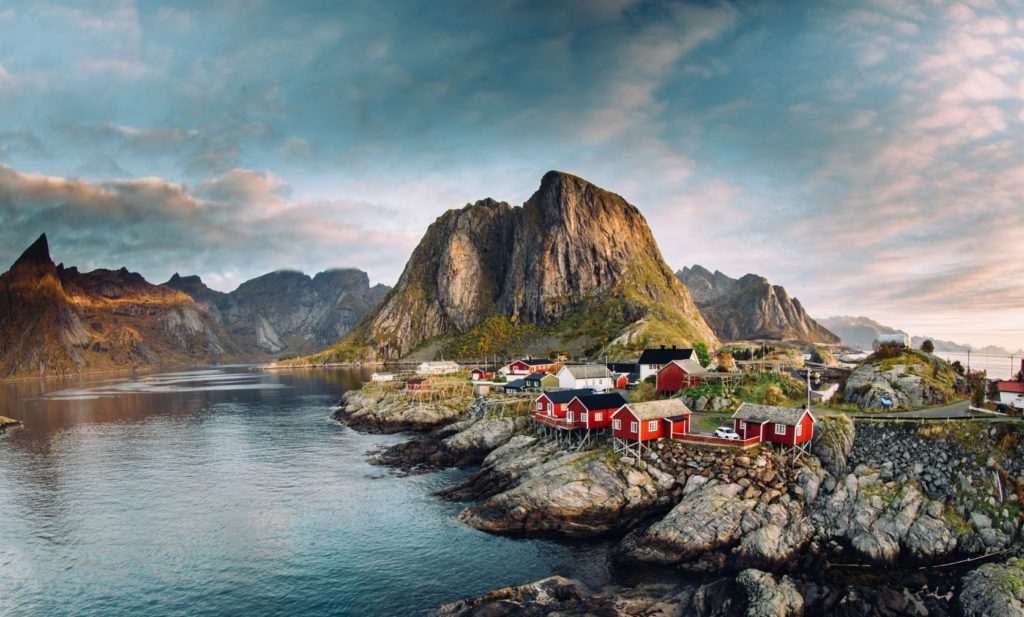
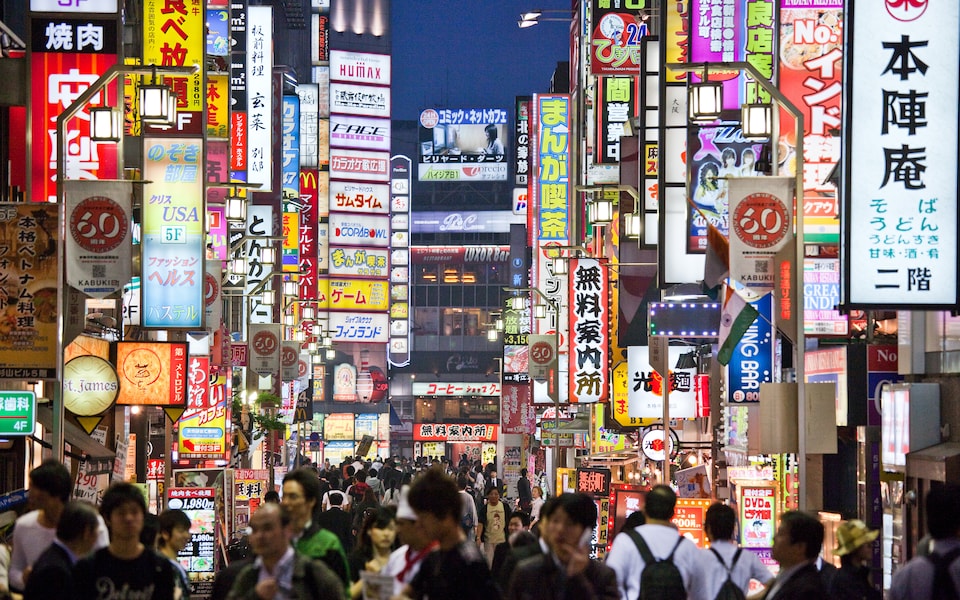
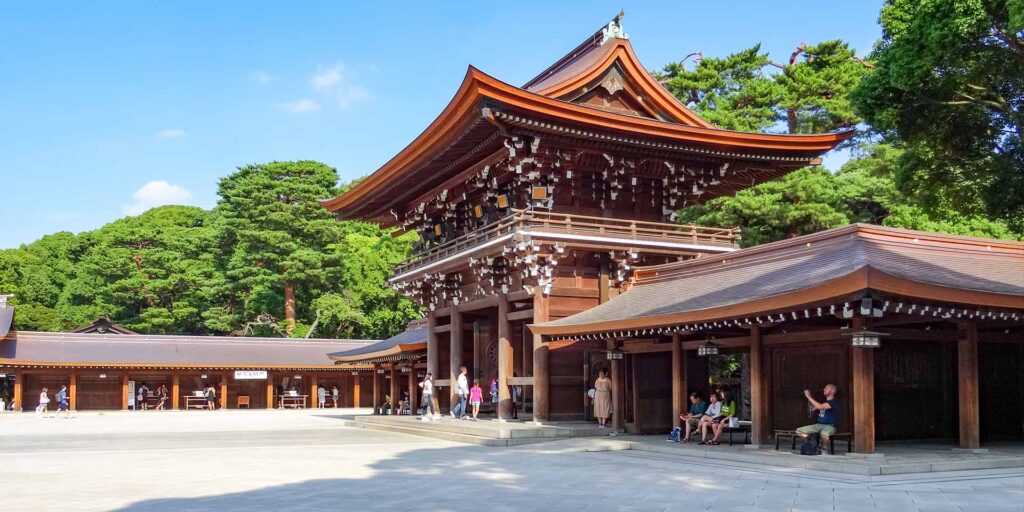
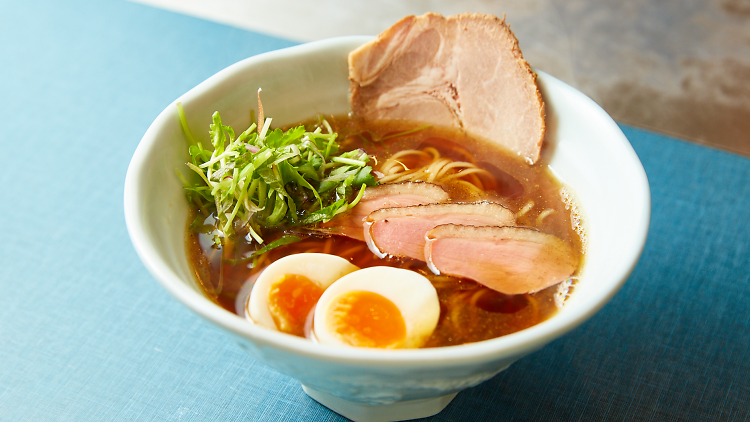
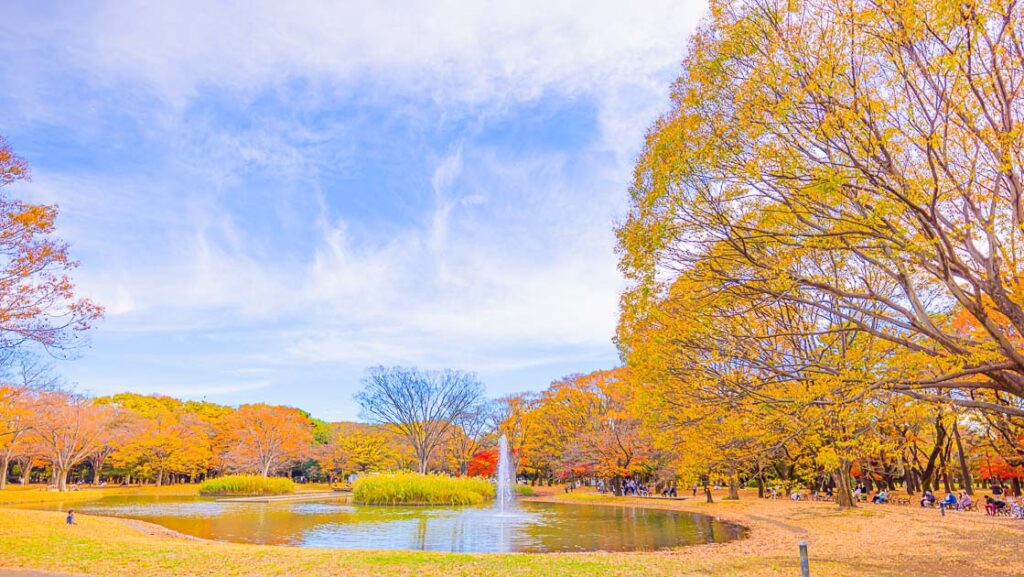
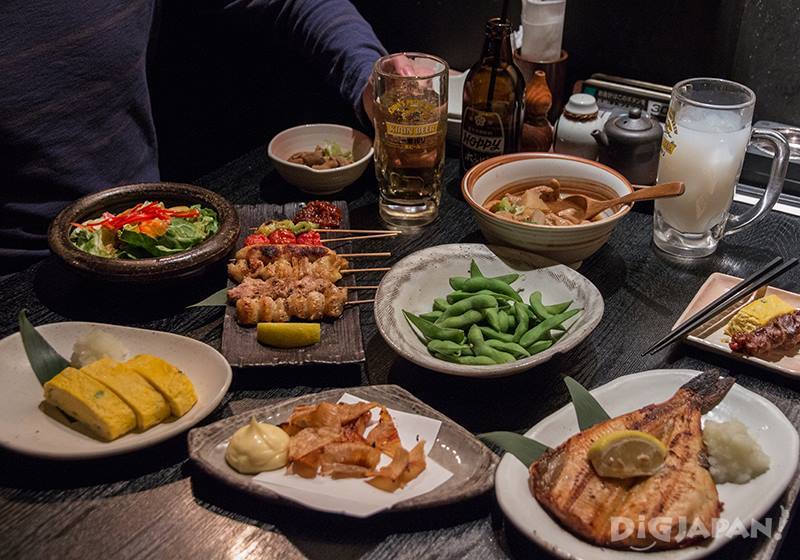
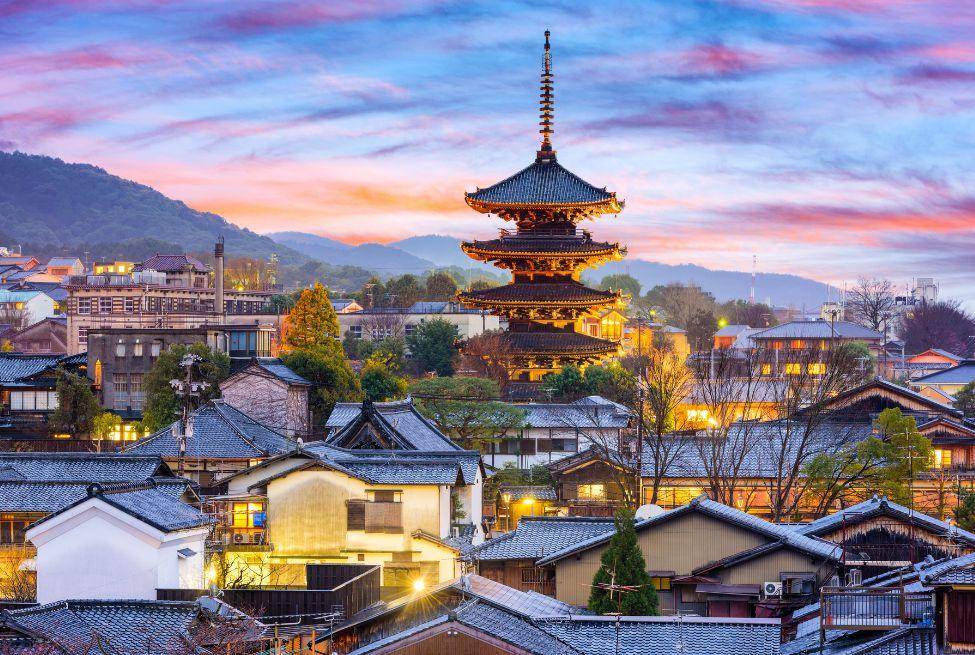 Between the first and second legs of the Samurai tour, we have a wonderful ‘stopover’ in the enchanting city of Kyoto. With its rich blend of history, culture, and natural beauty, it is a wonderful city to visit and explore. The purpose of this blog is to give you some suggestions for making the most of your time there based on the premise of having a single day to explore.
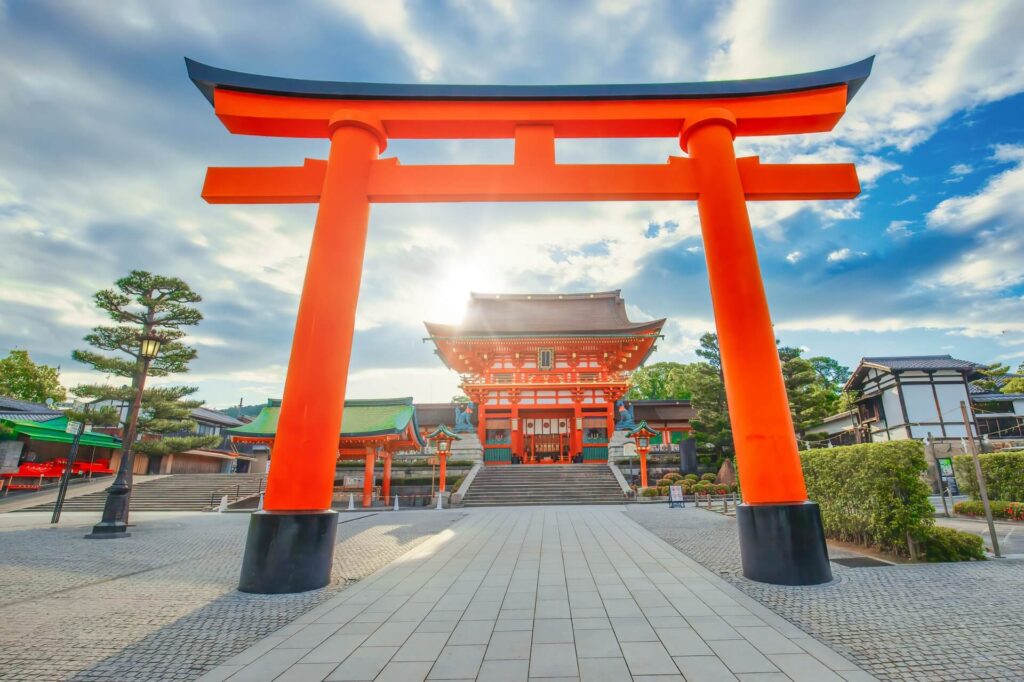 Kiyomizu-dera is an amazing UNESCO World Heritage site. This ancient temple, with its wooden stage offering panoramic views of Kyoto, is particularly stunning during cherry blossom and autumn foliage seasons. Stroll through the charming Higashiyama District, where traditional wooden machiya houses and quaint shops line the streets.
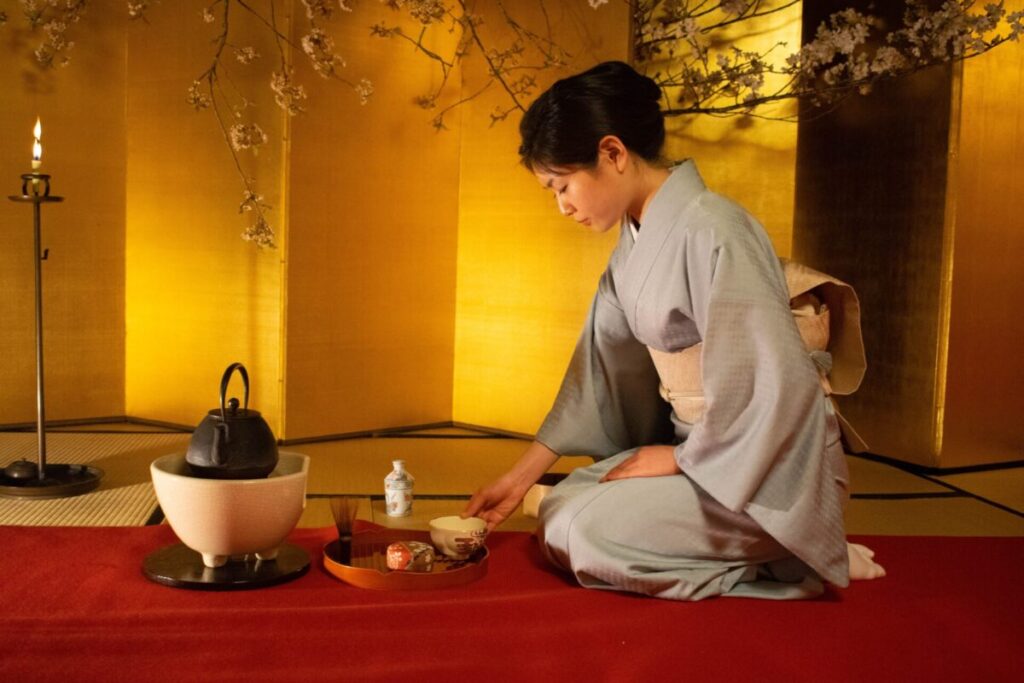 And for something a little different, why not dress up as a geisha? If you’d like to experience being a geisha for a few hours, several places in Kyoto offer “maiko henshin” (maiko transformation) services. A simple google search will bring up several businesses that offer this service. It is not something I have done personally, but I have been told that it is a lot of fun.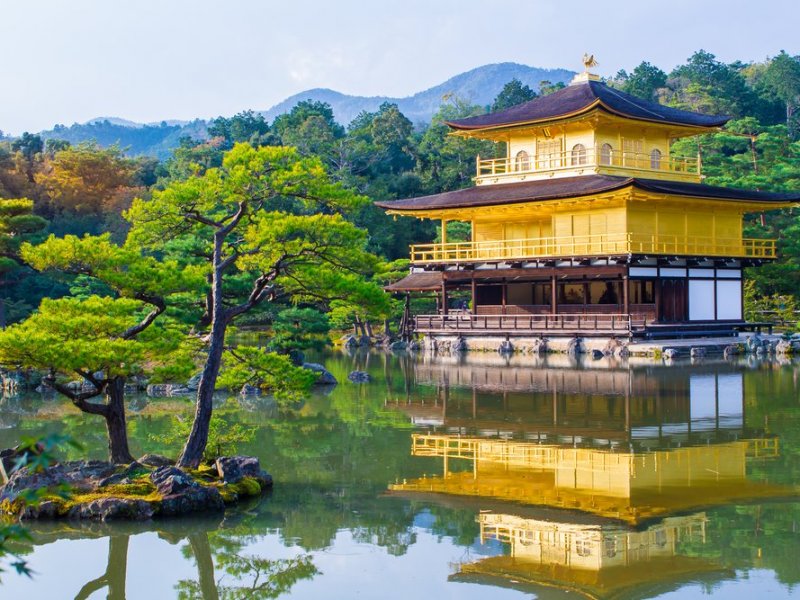
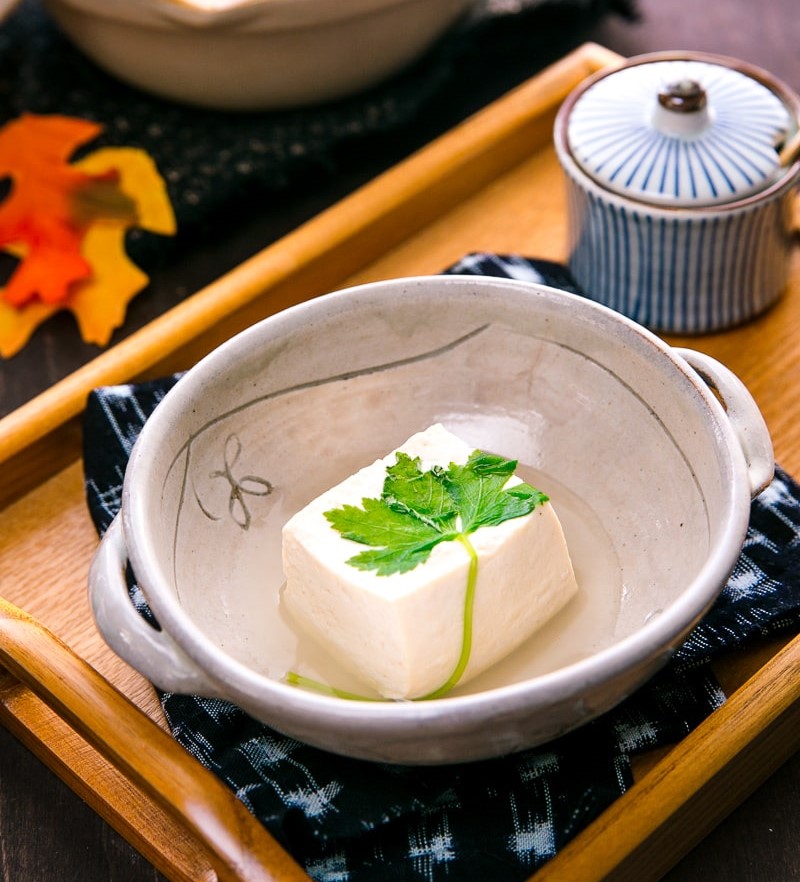
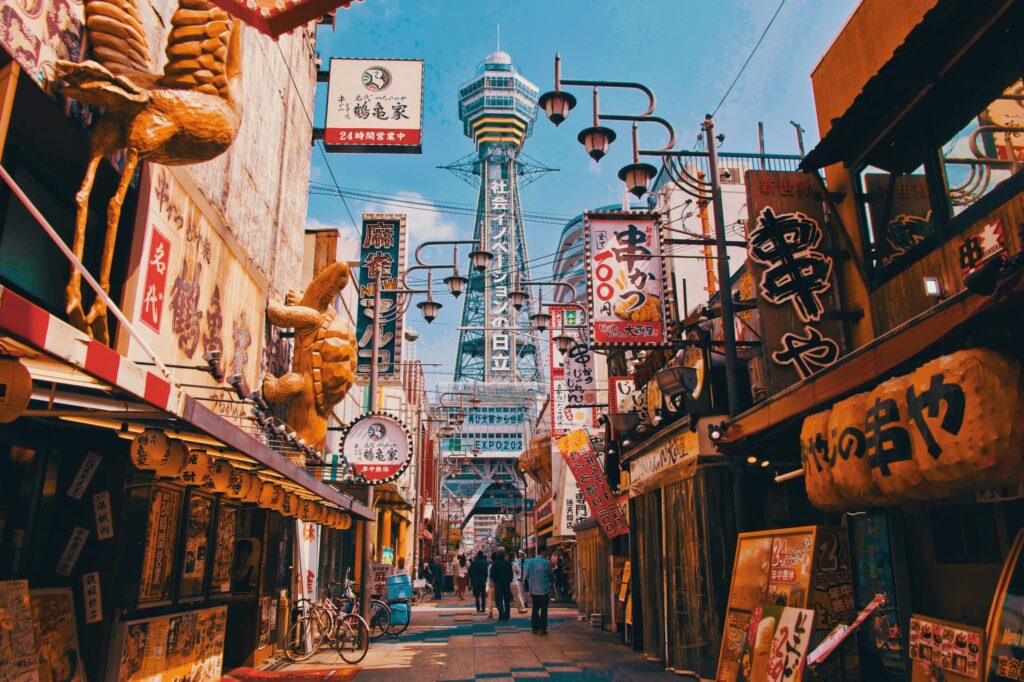
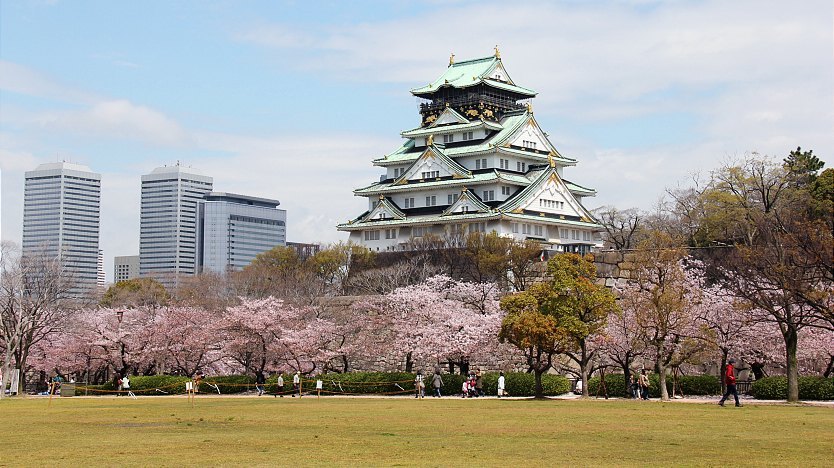
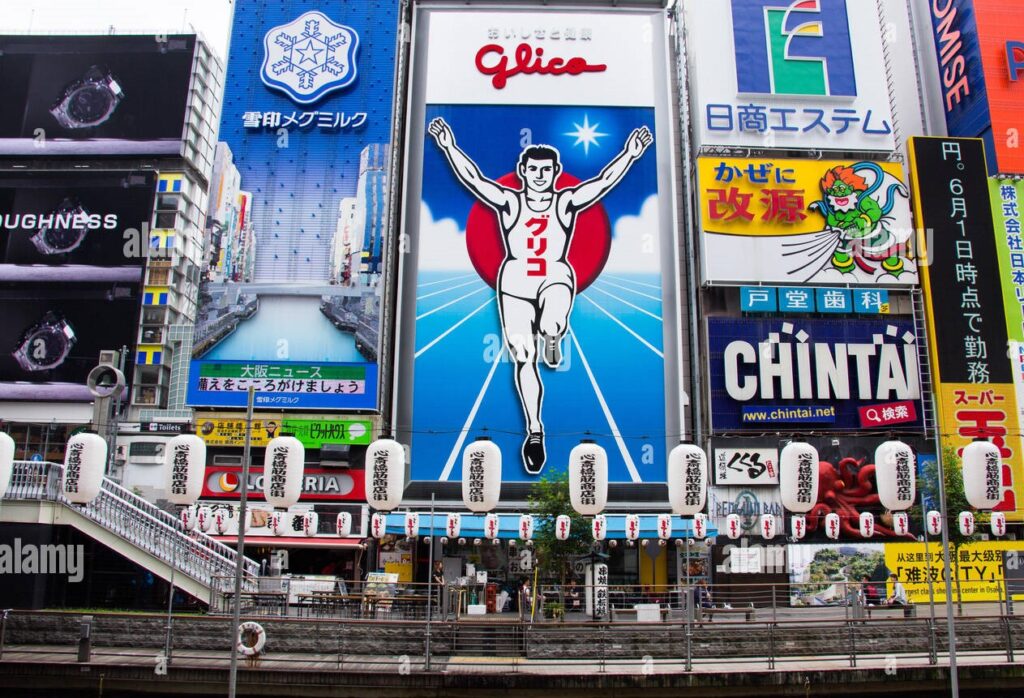
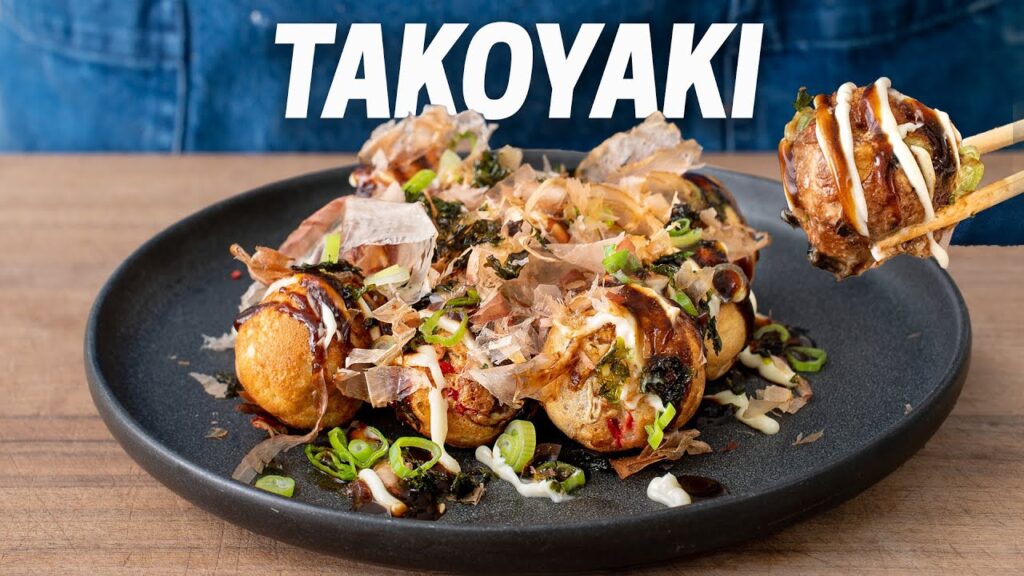
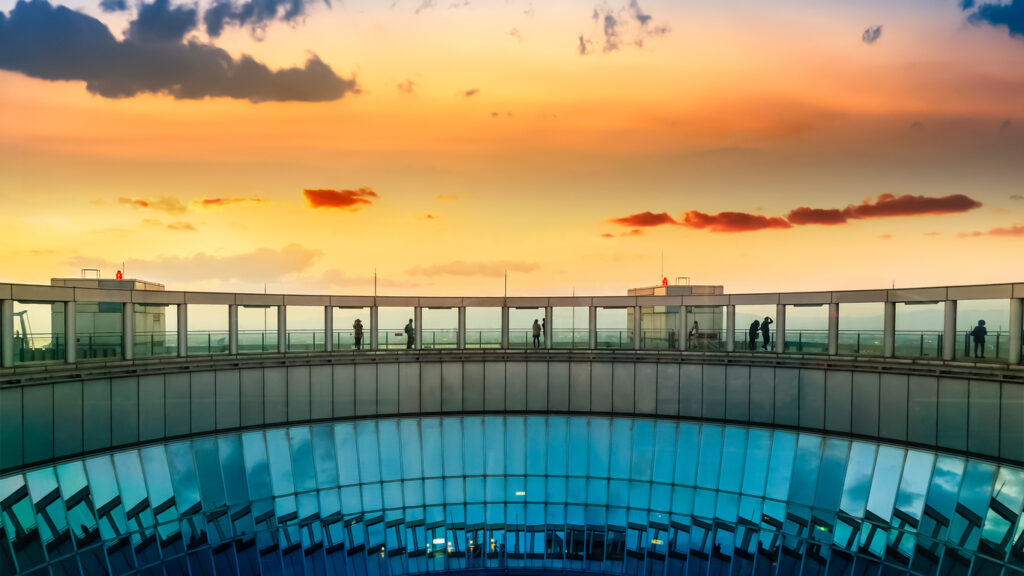
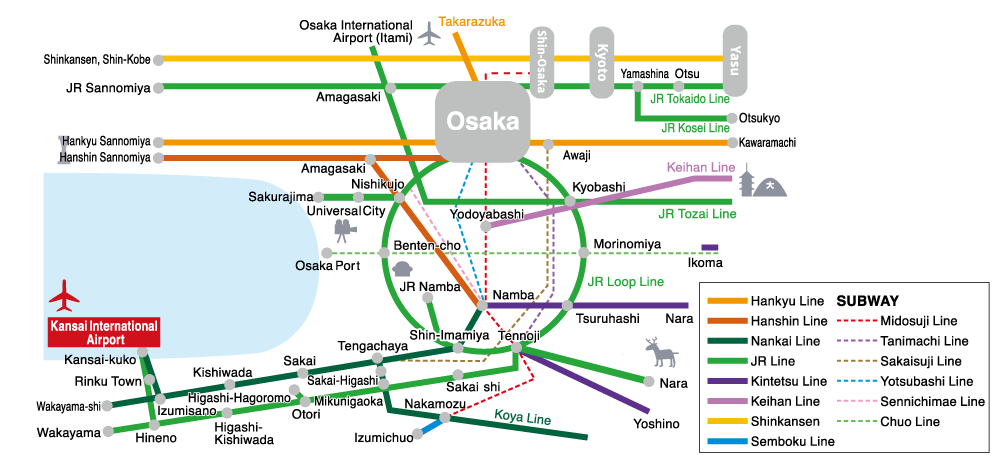
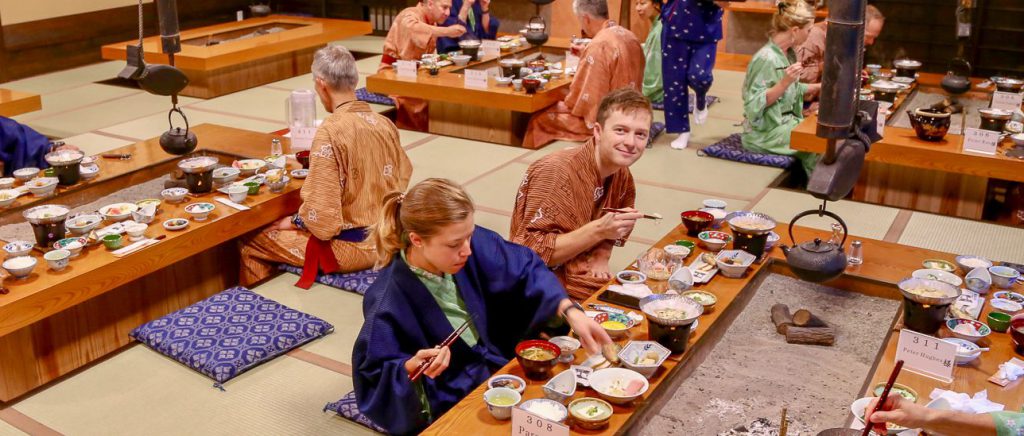
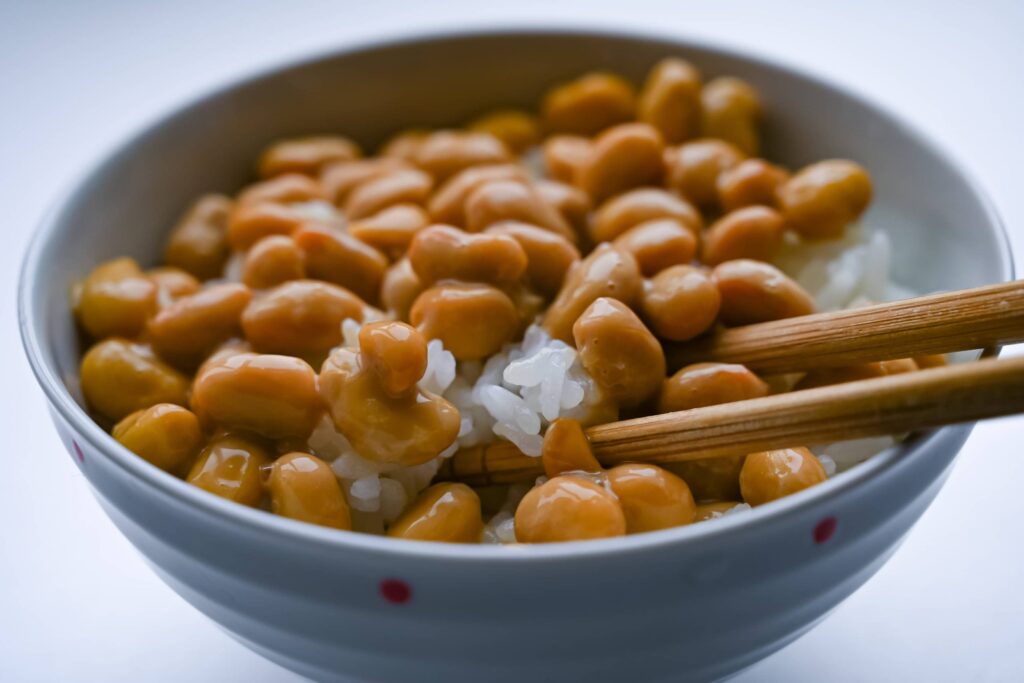
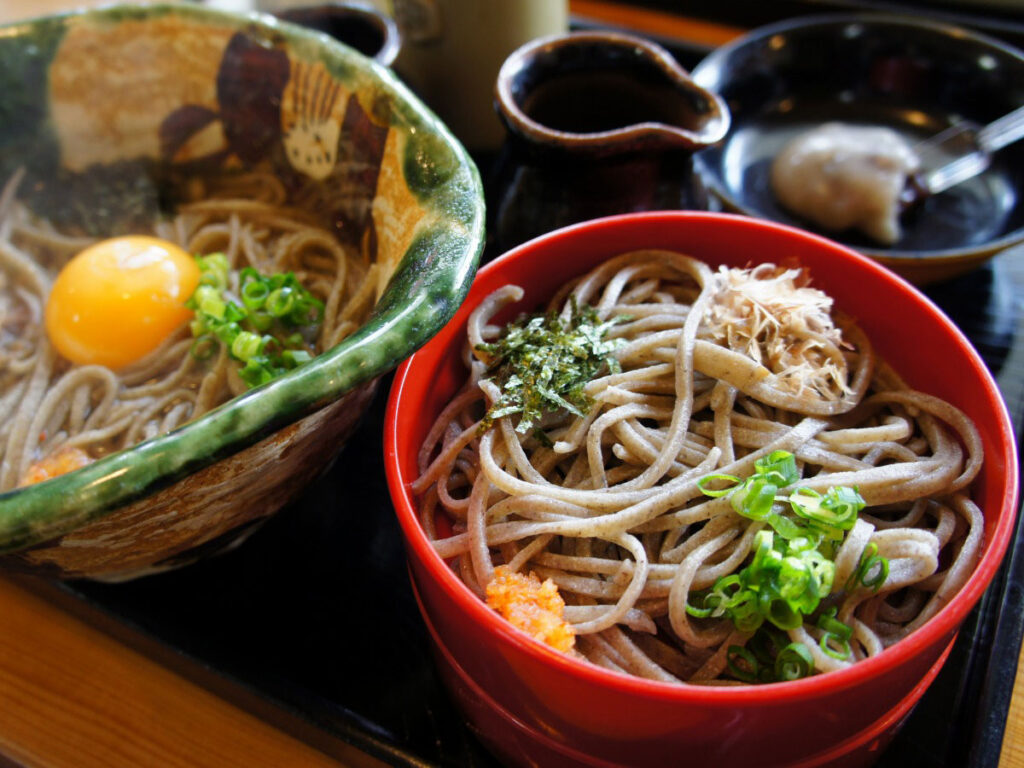 Dinnertime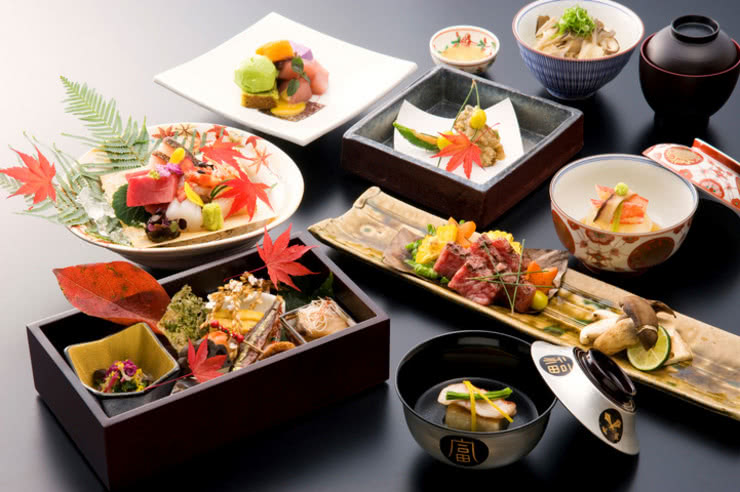
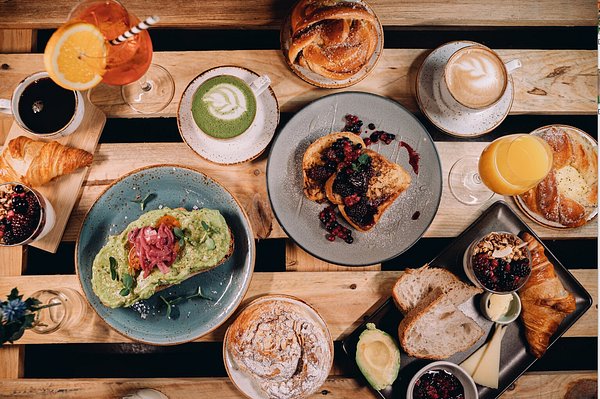
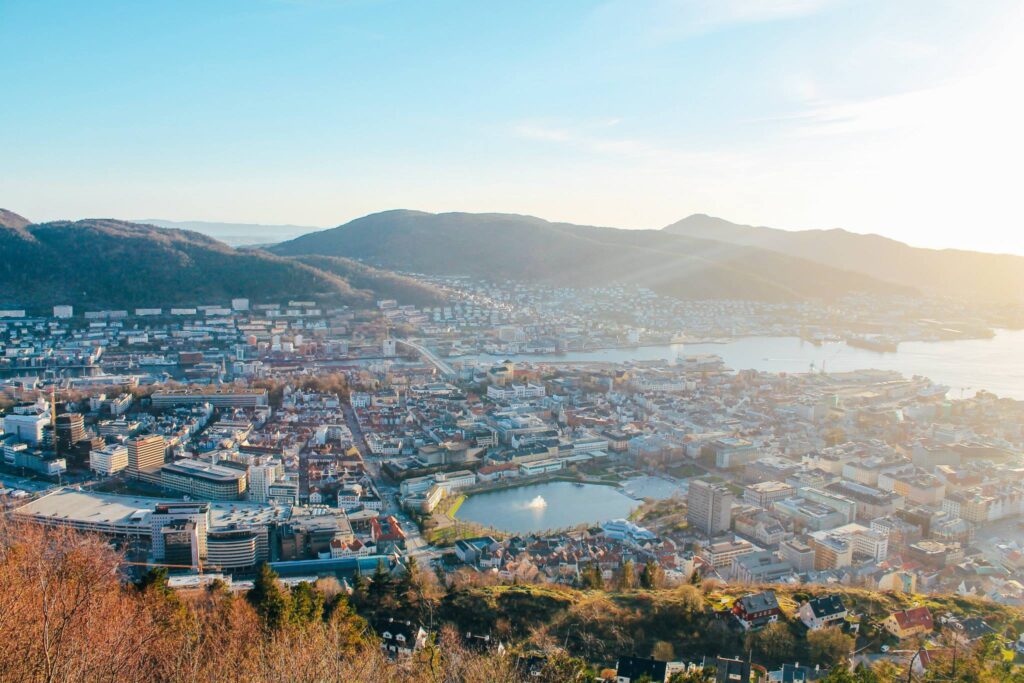 For lunch, savour traditional Norwegian cuisine at a waterfront restaurant or seafood market. Sample dishes like fish soup, Bergen fish cakes, or fresh seafood platters showcasing local catches from the North Sea.